
Time travel is one of those storytelling tools that never seems to lose its charm. Whether it appears in science fiction, romance, mystery, or adventure, the idea of jumping through time always sparks curiosity.
Anime, in particular, has embraced time manipulation in ways that feel bold and emotionally layered. Rather than using time travel only as a flashy plot device, many creators use it to explore grief, destiny, memory, and the cost of changing the past.
In this article, we will look at how anime handles time travel across genres. We will explore famous titles, the narrative rules they follow, the paradoxes they wrestle with, and the deeper philosophical questions they raise.
Along the way, we will also look at the future of time travel stories in anime and understand why fans remain obsessed with this theme.
Time Travel as a Recurring Theme
Time travel appears in anime for several reasons. First, it offers writers endless opportunities to create emotional drama. A character who can revisit a mistake or witness a tragedy from a new angle experiences growth in a way that feels personal to viewers.
Second, time travel lets creators explore moral questions. Should someone change the past even if it means erasing a memory or altering the future for millions of people?
Lastly, time travel blends well with both fantasy and technology. This flexibility makes it easy for anime to use it in school stories, supernatural adventures, and even comedy.
In many anime works, time travel is not only a practical tool but also a metaphor. It represents longing, regret, second chances, and the weight of responsibility. Even when anime uses a lighthearted tone, the theme carries emotional significance.
Because of this broad appeal, time travel continues to return as a central plot structure in both old and modern anime.
Key Anime Known for Time Shifts
Several anime have shaped how time travel is viewed within the community. Each one approaches the concept differently, proving how versatile the theme can be.
Steins;Gate
Often considered the gold standard of time travel in anime, Steins;Gate blends science fiction with character-driven storytelling. Its time travel is grounded in theoretical physics while still allowing emotional depth. The struggles faced by Okabe as he tries to fix branching timelines reveal the human cost of trying to control fate.
Erased (Boku dake ga Inai Machi)
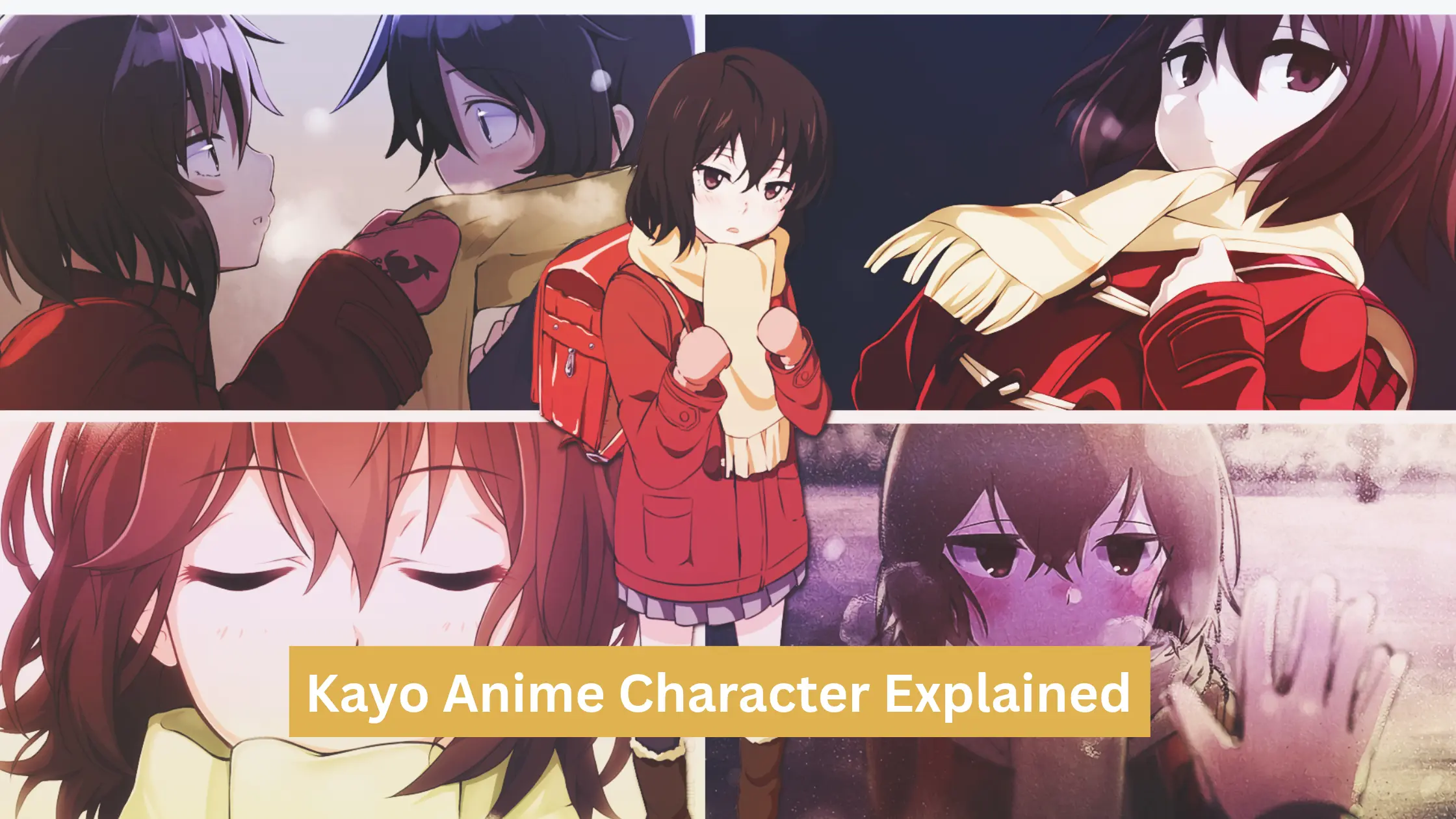
This series uses time travel to solve a childhood mystery. Satoru, the protagonist, is sent back to his eleven-year-old self. The show balances suspense with heart, showing how a small action in the past can protect someone in the future.
The Girl Who Leapt Through Time
A more gentle approach, this classic film combines time travel with adolescence, romance, and self-discovery. The story treats time leaps as both fun and dangerous, showing how even minor choices create ripple effects.
Tokyo Revengers
Here, time travel becomes a tool to change gang conflicts and save lives. The structure leans more toward action and cause-and-effect storytelling. Each time jump influences character relationships and power dynamics.
Re:Zero
While not a typical time travel story, Re:Zero uses the concept of time loops to explore trauma and resilience. The protagonist resets to a specific moment each time he dies. Although this is painful to watch, the narrative uses suffering as a way to show growth.
These works illustrate how differently anime can treat the concept of time. From romance to thriller to psychological drama, time travel adapts to each genre with surprising ease.
Methods of Portraying Consequences
Time travel always comes with consequences. Anime tends to highlight these outcomes in creative ways. Some series show consequences immediately while others reveal them slowly. A few use symbolic changes in the environment or relationships.
Ripple Effect Consequences
This is the most common approach. A small change in the past triggers a large result in the future. Erased and Tokyo Revengers use this method heavily. A conversation or small decision alters the fate of multiple characters.
Branching Realities
In this approach, every action creates a new timeline. Steins;Gate is famous for this. Characters realize that saving one person may doom another. This adds tension because the protagonist must decide which timeline carries the least harm.
Fixed Fate Consequences
Some anime insist that time cannot be changed, no matter how hard characters try. They may loop, repeat, or suffer until they accept their fate. This approach highlights themes of destiny and acceptance.
Memory Fragmentation
Another style involves characters remembering past timelines even when reality changes. This creates emotional weight because the character feels the cost of each reset while others remain unaware.
Anime uses these tools to keep time travel stories meaningful. Without consequences, time travel would feel like a cheat code. Instead, anime uses it to create drama, suspense, and emotional growth.
Influence From Western Sci-Fi
Anime does not exist in isolation. Many time travel concepts come from global science fiction traditions. Japanese creators have been inspired by works like:
- H. G. Wells’ “The Time Machine”
- Looper
- Doctor Who
- Back to the Future
- Arrival
- Interstellar
However, instead of copying these ideas, anime often reinterprets them. For example, Western sci-fi usually emphasizes technology. Anime balances technology with emotion and spirituality. This fusion allows anime to retain Japanese storytelling values while exploring universal themes.
In addition, Western sci-fi often focuses on large-scale events. Anime, on the other hand, frequently keeps the story personal. A single relationship or memory can become the heart of the time travel conflict.
Visual Cues for Timeline Changes
Anime relies heavily on visual storytelling. Therefore, time travel shifts must be easy to understand. Creators use several artistic techniques:
Color Changes
A shift in color palette signals a change in timeline. Warmer tones might represent the past while colder tones show the present.
Scene Repetition
Some anime repeat scenes frame by frame. The difference lies in a small detail that hints at the altered timeline.
Clock Imagery
Clocks, calendars, and timepieces appear throughout time travel shows. They remind viewers of the stakes.
Glitches or Distortions
When a timeline breaks, visual distortions signal that reality is unstable.
These cues keep the narrative clear. Time travel can become confusing quickly, so these visual markers help audiences follow along without frustration.
Common Paradoxes and Solutions
Time travel always introduces paradoxes. Anime acknowledges these issues but often finds creative solutions.
The Grandfather Paradox
If a character changes something that prevents their existence, how can they time travel in the first place? Some anime avoid this by using alternate timelines, allowing characters to exist across branches.
Time Loop Paradox
If a character keeps repeating the same timeline, what started the loop? Anime like Re:Zero uses this paradox to explore trauma, rather than focusing on scientific accuracy.
Bootstrap Paradox
This happens when information or an object has no origin. Anime sometimes uses this paradox intentionally to create mystery.
Anime does not always try to solve these paradoxes with hard science. Instead, creators choose whichever solution supports the emotional stakes of the story.
Philosophical Dilemmas
Time travel is not just a technical tool. It raises deep philosophical questions. Anime often explores these, such as:
- Is it right to change someone’s fate?
- Does altering the past erase who we became?
- Is suffering necessary for growth?
- Can love survive across timelines?
- Are memories more important than outcomes?
Shows like Steins;Gate and The Girl Who Leapt Through Time highlight these dilemmas. They show that even with the ability to rewrite time, humans remain fragile. Choices still hurt. Relationships still change. Loss still leaves scars.
These stories remind viewers that time travel cannot fix everything. It can only reveal what truly matters.
Impact on Character Development
Time travel drastically influences character growth. A character who experiences repeated timelines matures faster than someone who lives only once. They learn from mistakes quickly and witness the effects of their actions repeatedly.
Anime uses this to build emotional depth. Characters struggle with guilt, responsibility, and exhaustion. They experience relief when they succeed and heartbreak when they fail.
For example:
- Okabe’s growth in Steins;Gate comes from his heavy emotional burden.
- Satoru in Erased matures as he protects others.
- Subaru in Re:Zero learns resilience through suffering.
Time travel reveals the fragile yet powerful nature of human choice. It pushes characters toward self-awareness and empathy.
Viewer Interpretations
Different fans interpret time travel anime in their own ways. Some viewers focus on the scientific theories. Others care more about emotional arcs. Many appreciate the creativity behind the narrative structure. Because time travel is versatile, viewers project their own hopes, fears, and beliefs onto the story.
This diversity of interpretation keeps the theme popular. No matter who you are, time travel invites you to imagine how you would act in the same situation.
Future Trends for Time Travel in Anime
As anime continues to evolve, new trends are emerging:
1. Psychological Time Travel
More shows may explore mental time jumps, such as memory transfers and subconscious timelines.
2. Soft Sci-Fi Approaches
Instead of strict physics, anime may blend time travel with mythology, dreams, or spiritual concepts.
3. AI-Generated Timelines
Future stories might involve artificial intelligence predicting or simulating alternate futures.
4. Multi-Layered Time Loops
Writers may experiment with complex loops that run in parallel.
5. Global Influences
With anime becoming more global, creators may reference myths and time concepts from different cultures.
Time travel remains fresh because it encourages experimentation. Writers can reinvent it endlessly.
Conclusion
Time travel in anime is much more than a narrative trick. It is a gateway to emotional storytelling, moral challenges, and deep philosophical questions. From iconic titles like Steins;Gate to modern hits like Tokyo Revengers and Re:Zero, anime uses time travel to create worlds that tug at the heart while stimulating the mind.
Anime’s approach to time travel blends scientific curiosity with human vulnerability. It does not shy away from paradoxes or confusion. Instead, it embraces them as part of the emotional journey. Through visual cues, strong character arcs, and diverse interpretations, time travel remains one of the most fascinating tools in anime storytelling.
As we look beyond 2026, time travel narratives will continue to evolve. With more global influences, creative experimentation, and psychological depth, anime will keep finding new ways to explore the mysteries of time.
Read More:
How Anime Adopted and Changed Cyberpunk