Anime has never been more global than it is today. What started as a niche subculture has evolved into a worldwide creative movement. From streaming platforms releasing simulcasts to TikTok edits going viral, the culture around anime is constantly evolving. But as we move beyond 2026, the anime community is heading into a new phase one shaped by technology, creativity, and collaboration.
The next era of anime fandom won’t just be about watching shows. It’ll be about building worlds, creating together, and blurring the lines between fans and creators. Let’s dive into what the future holds for anime lovers everywhere.
Influence of AI-Assisted Animation
AI has already started to transform how anime is made. What used to take large studios months can now be prototyped in days. Tools powered by artificial intelligence are streamlining animation workflows, color correction, background design, and even voice synthesis.
But the most exciting part is not just about faster production it’s about new creative freedom. Independent creators who once lacked access to expensive software and studio resources can now produce high-quality anime shorts with AI assistance.
Imagine a small team designing an entire world, scripting dialogue, and animating scenes without needing a hundred staff members. This democratization of animation is giving rise to fresh voices and unconventional styles.
Of course, this doesn’t mean traditional artists are disappearing. If anything, AI is becoming a creative assistant, helping artists experiment more freely. Studios like Netflix Japan and smaller independent outfits are already experimenting with hybrid workflows, blending AI-generated backgrounds with hand-drawn characters.
The future of anime creation won’t be about machines replacing humans it will be about humans enhancing art through technology.
Rise of Short-Form Anime Content
Attention spans are shrinking, but creativity isn’t. In fact, the rise of short-form anime—stories that last a few minutes per episode is reshaping how fans consume content.
Platforms like YouTube Shorts, TikTok, and Instagram Reels have opened up a new storytelling space. Instead of waiting a week for a 25-minute episode, viewers can experience emotional, visually stunning stories in under two minutes.
We’ve already seen success with web shorts like ONA series and promotional micro-anime tied to video games or music videos. These bite-sized episodes often carry strong emotional weight and stunning artistry, proving that storytelling doesn’t need long runtime it just needs impact.
In 2026 and beyond, expect to see more creators experimenting with episodic micro-stories, serialized across platforms. These may connect into larger narratives, creating a new hybrid experience between social media content and traditional anime.
This trend gives room for new voices, indie artists, and smaller studios to experiment without massive budgets. In short, the anime short form is here to stay and it’s only getting stronger.
Role of TikTok and YouTube Fandoms
If you’ve ever spent time scrolling through anime edits or reaction clips, you already know how influential TikTok and YouTube have become. These platforms have evolved into cultural hubs where fans dissect scenes, share fan theories, remix music, and create art inspired by their favorite shows.
TikTok, especially, has changed the way anime spreads globally. A few seconds of emotional dialogue or a breathtaking fight scene can make an unknown series go viral overnight. That virality fuels fan engagement and often leads to spikes in viewership on streaming services.
Meanwhile, YouTube remains the home for long-form fandom. Channels that analyze story arcs, explore symbolism, or even create parody dubs are keeping discussions alive between episodes and seasons. These platforms are no longer side communities they’re integral to how anime is experienced today.
What’s more fascinating is how they connect creators and audiences directly. Fans can comment, remix, or even collaborate with their favorite content creators. This interactive fandom culture is transforming passive watching into participatory creation.
As we move past 2026, the anime community on social platforms will only grow stronger, making every new release a shared global event.
Collapsing Line Between Creators and Fans
Once upon a time, anime fans simply watched and discussed shows. Today, they help create them.
Fan art, fan fiction, fan animation, and even crowdfunded projects have blurred the boundary between official creators and their audience. Some of today’s popular manga artists and animators started as fans uploading their work online.
Websites like Pixiv and DeviantArt have become talent incubators. Studios now actively scout these platforms for new illustrators and storyboard artists. This collaboration has redefined what it means to be part of the anime industry.
Games like Genshin Impact and Blue Protocol are also embracing this creator-fan synergy. They host art contests, cosplay events, and community showcases where fans’ contributions influence the franchise’s identity.
The message is clear: fans aren’t just consumers anymore they’re collaborators.
Moving forward, expect more anime studios to launch community-driven campaigns where fans vote on story arcs, design elements, or music tracks. Anime is becoming a conversation rather than a broadcast.
Revival of Niche Genres
While shonen and isekai dominate mainstream attention, something interesting is happening beneath the surface niche genres are making a comeback.
Classic themes like mecha, slice of life, and psychological horror are reemerging, supported by passionate communities who crave depth and artistry over mass appeal.
Series like Made in Abyss, Vivy: Fluorite Eye’s Song, and 86 Eighty-Six have reignited love for complex storytelling and emotional world-building. These aren’t shows you binge for hype—they’re shows you experience slowly, like literature.
The rise of streaming platforms has made this possible. Services such as Crunchyroll, Netflix, and HIDIVE now have space for every kind of story, giving niche creators the visibility they deserve.
Fans, too, have matured. They no longer just want flashy fight scenes; they seek themes that challenge identity, emotion, and morality. The diversity of taste ensures that even lesser-known subgenres will have dedicated followings.
By 2030, we may even see genre fusion mecha romance, horror slice-of-life, or philosophical isekai. The creative horizon is wide open.
Gamification and Metaverse Potential
If there’s one area where anime and technology are destined to merge, it’s the metaverse.
Imagine entering a virtual Tokyo-3 from Evangelion or exploring the world of Attack on Titan in VR. The metaverse could allow fans to step into their favorite anime worlds, interact with characters, and even influence story outcomes.
Companies like Sony and Bandai Namco are already experimenting with interactive experiences, while fan-driven metaverse spaces are being built around popular franchises. These aren’t just VR games—they’re living anime universes.
Gamification is another key part of this evolution. Anime-based games are integrating storylines that evolve with player choices. Mobile RPGs like Fate/Grand Order and Honkai: Star Rail already merge anime storytelling with interactive gameplay. The future could bring narrative-driven virtual spaces where each fan’s journey feels personal and unique.
This blend of anime, gaming, and social interaction could redefine fandom engagement. It’s not hard to imagine conventions held in virtual cities, cosplay in digital form, and fan art displayed in interactive galleries.
Globalization of Anime Conventions
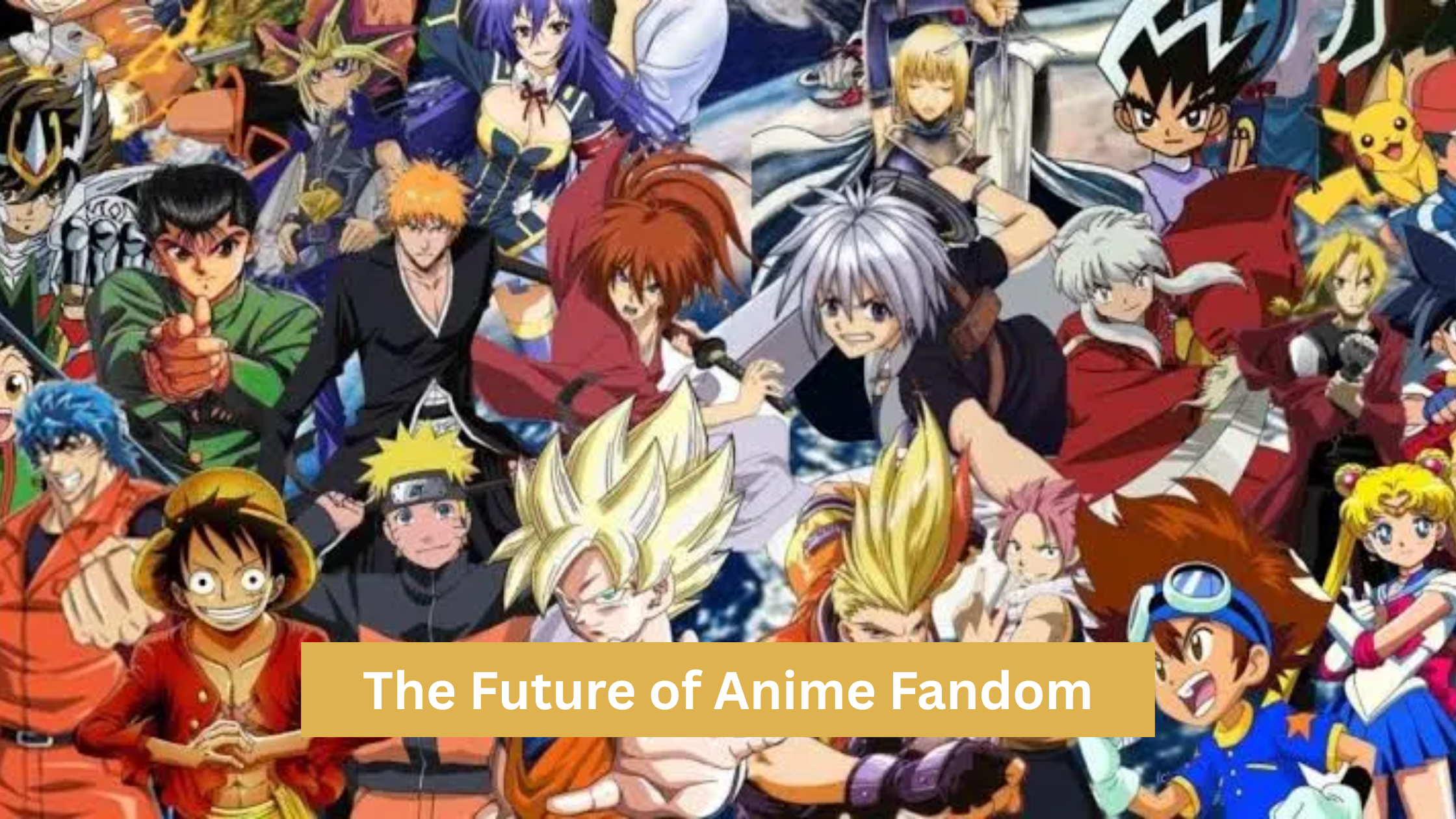
Anime conventions were once a primarily Japanese or Western phenomenon. Now, they’ve gone global. From Anime Expo in Los Angeles to Anime Festival Asia in Singapore and Japan Expo in France, the culture has reached every continent.
These gatherings are more than fan celebrations they’re cultural bridges. They bring together artists, cosplayers, musicians, and storytellers under one creative roof. In the post-2025 landscape, we’ll see conventions evolve even further.
Hybrid conventions, combining physical and virtual experiences, are already taking shape. Fans who can’t travel will attend panels in VR or stream live Q&A sessions from their devices. The sense of community will expand beyond geography.
More interestingly, conventions are becoming hubs for collaboration. Creators network with fans, indie developers showcase anime-inspired games, and industry panels discuss future storytelling trends.
Anime is no longer just a Japanese export it’s a global creative ecosystem.
Economic Sustainability Challenges
As anime grows more popular, so do the challenges of sustaining it. Production costs are rising, and many animators still face harsh working conditions. Fans love the art form, but the economics behind it are fragile.
The industry is currently at a crossroads. On one hand, global demand is skyrocketing thanks to streaming deals. On the other, small studios struggle to survive because profits are unevenly distributed.
To stay sustainable, anime studios will need to embrace fair compensation models and adopt new technologies that reduce burnout. AI-assisted workflows might help, but the key lies in valuing the human creativity that makes anime special.
Fan-driven platforms like Patreon and Ko-fi are also helping independent creators stay afloat. Fans are becoming patrons, directly supporting artists and animators. This fan-funded model could become the backbone of the anime industry’s future economy.
For fandom to flourish, sustainability must become part of the conversation.
Influence of Indie Creators
The indie revolution isn’t just happening in games or music it’s happening in anime too. With the rise of accessible animation tools and crowdfunding, independent creators are producing breathtaking works outside traditional studio systems.
Indie projects like Hells (directed by Yoshihiro Nishimura) or Kaiba by Masaaki Yuasa prove that unique artistic voices can thrive without mainstream pressure. These creators often experiment with surreal storytelling, abstract visuals, and emotional realism that mainstream shows avoid.
Online platforms now make it possible for fans to directly discover, fund, and share indie anime. Communities on Discord, Reddit, and Kickstarter are driving this movement, supporting creators with both money and enthusiasm.
This shift gives anime a grassroots energy a return to storytelling for art’s sake, not just commerce. By 2030, we might see a thriving ecosystem where small creators coexist with big studios, both contributing to the diversity of anime culture.
Vision for a Balanced Anime Future
So, what does the future look like for anime fandom after 2026? It’s a future of balance between technology and tradition, between global and local, between fans and creators.
The heart of anime will always be emotion-driven storytelling. But the way we experience it will become more immersive, interactive, and inclusive. AI will assist but not replace. Fans will collaborate, not just consume. Genres will diversify rather than disappear.
The best part? This evolution doesn’t erase the past. It honors it. Every technological leap will still be guided by the same spirit that brought us classics like Spirited Away, Naruto, and Cowboy Bebop the desire to tell stories that move hearts.
As anime fandom grows, it must remember one thing: innovation is only meaningful when it keeps its soul intact. That’s what will define the next era a fandom that evolves without losing its essence.
Conclusion
The world of anime fandom is heading toward a creative revolution. AI is reshaping how anime is made, short-form platforms are redefining how it’s consumed, and global communities are rewriting what it means to be a fan.
As 2026 gives way to new innovations, one thing remains certain anime is not just a genre; it’s a living culture. It adapts, grows, and connects millions across the world.
The coming decade will blur every boundary between art and technology, between East and West, and between creator and fan. But through it all, the heart of anime will remain the same: a space where imagination has no limits.
Because no matter how advanced the tools become or how vast the fandom grows, anime will always be about one timeless truth the power of stories that move people.