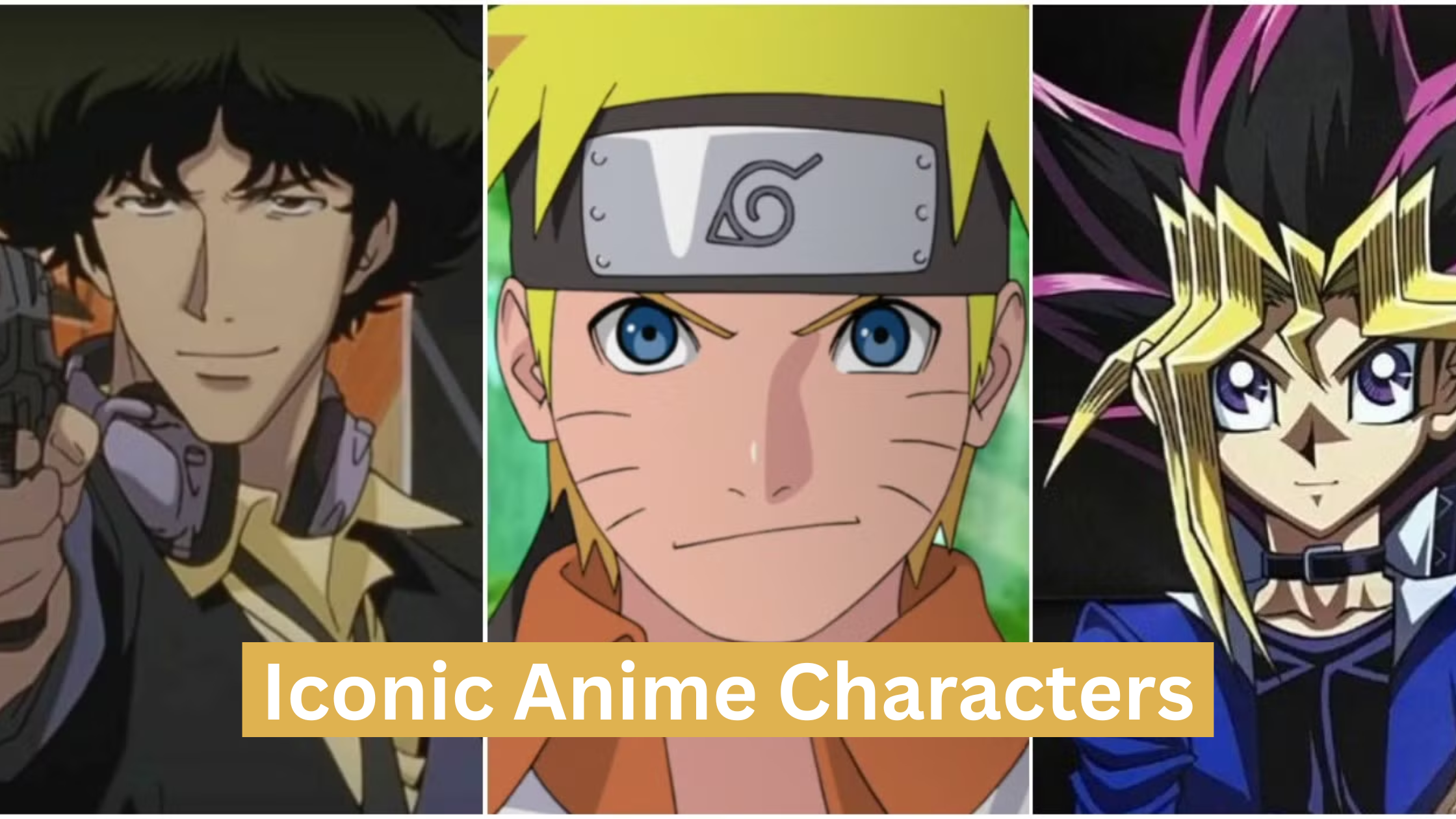
Anime has always gone far beyond just flashy fight scenes. What truly separates a memorable shonen from a forgettable one is how it builds its power system—the invisible logic that governs who wins, who loses, and what it truly means to grow stronger. Whether it’s Nen in Hunter x Hunter, Cursed Energy in Jujutsu Kaisen, or Alchemy in Fullmetal Alchemist, these systems shape not only the combat but also the philosophies behind the story.
In the last decade, anime has evolved from simple “power-up” battles to complex energy systems rooted in emotion, morality, and discipline. Each rule, restriction, and ability reflects a deep sense of world-building that keeps fans engaged and analysts endlessly debating the logic behind every fight.
Let’s explore how power systems redefine battle logic in anime — why they matter, how they evolve, and what they reveal about the characters who use them.
Definition of Proper Power System Design
A power system in anime is more than a collection of cool abilities. It’s a structured framework that gives meaning to conflict. At its core, it answers a simple question: How does this world’s power work—and at what cost?
A properly designed power system follows internal logic. It gives characters clear limitations and defined pathways to growth. When that logic is respected, even small victories feel earned. For instance, Hunter x Hunter’s Nen is a masterpiece of design—an ability that requires training, creativity, and risk. Every fighter’s power is bound by personal rules, meaning strength is not random; it’s the result of intelligence and discipline.
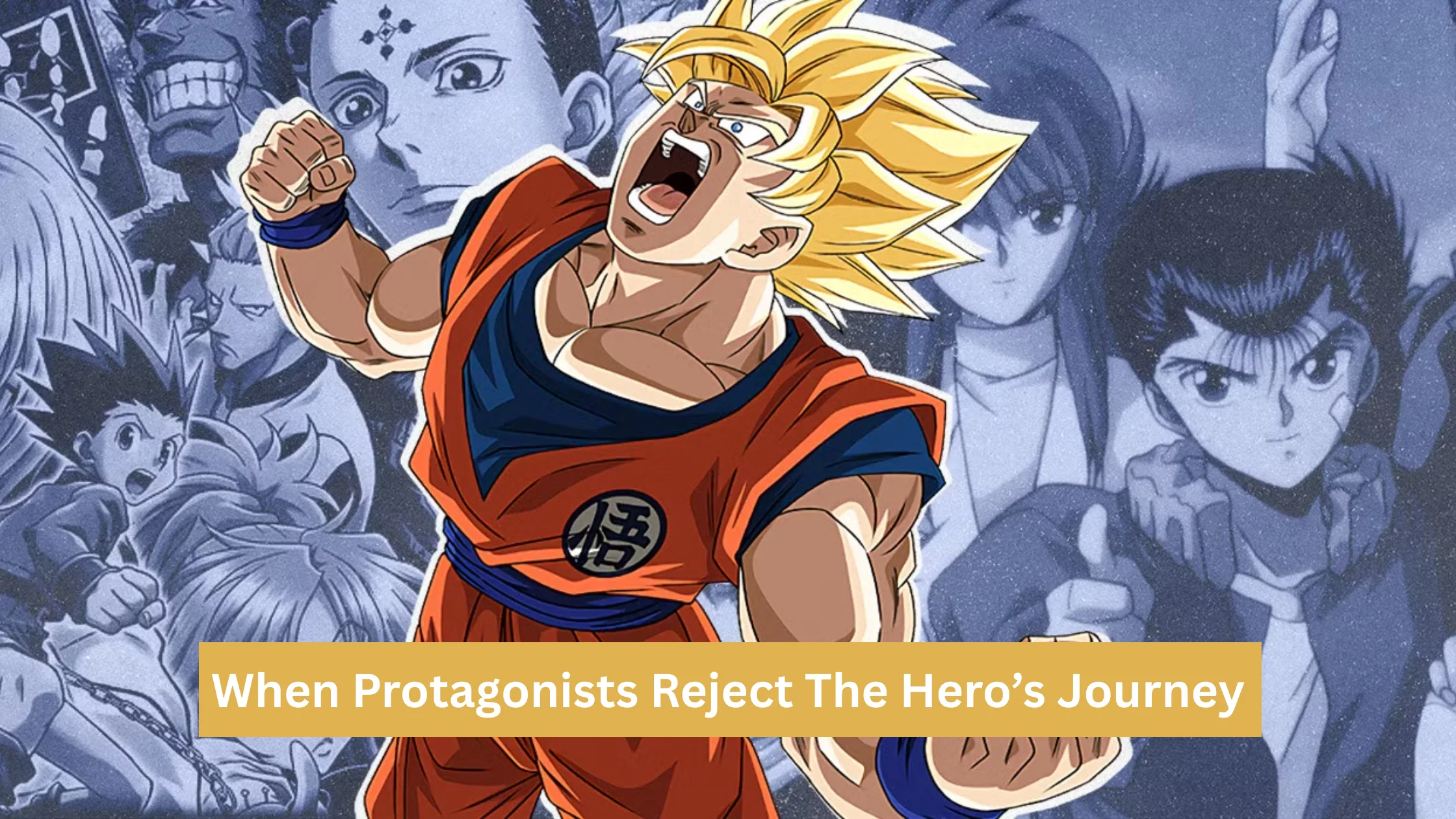
In contrast, poorly defined systems—where powers appear out of nowhere—can destroy tension. When anything is possible, nothing feels meaningful. Fans often cite Dragon Ball’s later arcs as examples of this shift; while early Dragon Ball Z had a structured hierarchy (Ki control, transformations, training), later entries leaned more toward spectacle than logic.
So, the best systems walk a fine line between flexibility and structure. They make battles not just about who’s stronger but who understands the system better.
Balancing Limits and Creativity
Rules create tension, but freedom fuels imagination. The beauty of anime power systems lies in how they balance these two forces.
Take Jujutsu Kaisen. Its Cursed Energy system thrives on the concept of negative emotion—pain, anger, and regret become the source of strength. Yet even with this emotional core, every sorcerer has defined rules: domain expansions, cursed techniques, and binding vows. These constraints push creativity to the forefront.
Similarly, Fullmetal Alchemist’s alchemy is based on the scientific principle of “Equivalent Exchange.” You cannot create something without offering something of equal value. This rule sets moral and physical boundaries, forcing characters like Edward Elric to make hard choices.
When done right, restrictions enhance creativity. They force both writers and characters to think differently. Rather than escalating power endlessly, the story evolves through innovation, sacrifice, and personal mastery.
This balance between limits and imagination is what separates the extraordinary from the generic.
Analysis: Nen, Cursed Energy, and Alchemy
Nen (Hunter x Hunter)
Nen is arguably one of anime’s most intellectually satisfying systems. It categorizes energy into six types—Enhancement, Manipulation, Emission, Conjuration, Transmutation, and Specialization. What makes it stand out is how it rewards personal creativity. Each fighter tailors their Nen to their psychology and personality. For example, Killua’s electric-based Transmutation reflects his inner turmoil and discipline.
Nen’s brilliance lies in its risk-reward system. By adding self-imposed conditions—like Kurapika’s vow to use his chains only against the Phantom Troupe—a user can drastically increase their power. That moral and emotional investment transforms Nen from a mechanic into a philosophy of self-limitation and conviction.
Cursed Energy (Jujutsu Kaisen)
Cursed Energy thrives on humanity’s emotional flaws. The idea that fear and negativity manifest as literal curses gives Jujutsu Kaisen a psychological edge. Techniques like Domain Expansion aren’t just attacks—they represent the user’s identity and mental control.
The brilliance here is the emotional honesty behind power. Yuji’s strength depends not on brute force but on accepting pain. Gojo’s infinity technique mirrors his isolation, his refusal to let anyone truly reach him. Power, therefore, becomes a mirror of trauma.
Alchemy (Fullmetal Alchemist)
Alchemy combines science, spirituality, and morality. Its laws make it one of the most consistent systems in anime history. Every act of transmutation follows the “Law of Equivalent Exchange,” grounding fantasy in reason.
But beneath that logic lies a human message—power without ethics leads to ruin. The Elric brothers’ tragedy is not about failed science; it’s about moral hubris. Through them, alchemy transforms from an energy system into a philosophy of humility.
Consistency vs Narrative Convenience
Nothing kills immersion faster than inconsistent rules. Fans notice when a power system breaks its own logic for convenience. In contrast, when a series honors its foundation, even shocking twists feel earned.
For example, Attack on Titan’s Titan powers evolve dramatically, yet each revelation ties back to an internal system of genetic inheritance and political manipulation. The writers rarely contradict earlier rules—they expand upon them.
Meanwhile, some anime falter when they prioritize hype over structure. When “power of friendship” moments override established mechanics, audiences lose faith. The reason Demon Slayer’s Breath Techniques or One Piece’s Haki stay satisfying is because their growth follows internal consistency—training, emotion, and experience matter.
Consistency gives viewers trust. And that trust makes every battle, no matter how outrageous, feel real within its world.
Symbolism Behind Energy Systems
Every anime power system tells a story about human nature. These abilities aren’t random—they symbolize emotional truths.
- Nen mirrors individuality and self-discipline.
- Cursed Energy represents pain as power.
- Alchemy embodies morality and consequence.
In My Hero Academia, Quirks symbolize society itself—a reflection of how people’s gifts can both empower and isolate them. Similarly, Bleach’s Zanpakuto spirit system turns inner identity into physical weaponry. Ichigo’s constant struggle to balance his powers mirrors his inner conflict between humanity and duty.
Power, in anime, is almost never just strength—it’s expression. It reveals values, trauma, and purpose. That’s why even secondary characters can feel profound; their abilities tell us who they are without words.
The Role of Training Arcs
Training arcs are the backbone of progression in shonen. But when done right, they are more than montages—they’re psychological journeys.
From Goku’s relentless Saiyan conditioning to Tanjiro’s meditative breathing, training isn’t about achieving strength overnight. It’s about growth through discipline. Power systems with strict rules make these arcs matter.
In Hunter x Hunter, Gon’s training under Wing introduces Nen step-by-step, grounding the audience in logic. In Naruto, chakra control requires both precision and patience. These methods create a believable sense of development, turning training itself into narrative satisfaction.
Fans love seeing effort rewarded. When a character’s evolution follows established logic, victories feel deserved—not just written.
Logical Structure of Progression
The best power systems have layered progression—not just stronger attacks, but deeper understanding.
For instance, Bleach moves from Shikai to Bankai, but mastery isn’t just about unlocking power—it’s about self-awareness. In Naruto, chakra evolves from basic jutsu to complex Sage and Six Paths techniques, but each step reflects a shift in worldview.
A good structure feels organic. It rewards persistence and reflection. Instead of arbitrary boosts, it offers stages that resonate emotionally. The more the hero grows, the more meaning the system gains.
Why Fans Obsess Over Rule-Based Universes
Fans love logic. They crave systems that can be analyzed, debated, and theorized.
That’s why Hunter x Hunter, Attack on Titan, and Fullmetal Alchemist remain endlessly discussed years after airing. Every new ability sparks debate: How does this work? What are its limits? This intellectual engagement transforms anime into a participatory experience.
A solid rule-based world also enhances rewatch value. The more logical the foundation, the more fun it is to explore its nuances. Anime fans don’t just want explosions—they want meaning behind them.
Comparing Physics Realism Versus Fiction
Not all systems aim for realism—and that’s okay. Some lean into physics, while others embrace metaphor.
Dr. Stone thrives on real science; every invention is grounded in actual chemistry and mechanics. Meanwhile, JoJo’s Bizarre Adventure uses abstract logic—Stands follow emotional, not physical, laws.
Both approaches work because they remain consistent within their tone. Fiction doesn’t need to mimic real physics, but it must obey its own. That’s the golden rule of storytelling logic.
Future Evolution of Power Logic in Shonen
Modern anime is entering a new era of creativity. Power systems now blend philosophy, emotion, and science more seamlessly than ever before.
Shows like Chainsaw Man and Jujutsu Kaisen build their logic around emotional trauma. Meanwhile, Blue Exorcist and Seraph of the End tie spiritual energy to moral corruption. Future shonen may continue this trend—less about sheer power, more about meaning.
As audiences mature, so does their expectation for depth and consistency. The next generation of power systems will likely challenge moral ideas, blur boundaries between good and evil, and connect physical combat with inner transformation.
Conclusion
Power systems are the lifeblood of anime storytelling. They give structure to chaos and meaning to every clash. Whether it’s Nen’s discipline, Alchemy’s morality, or Cursed Energy’s pain, these frameworks turn fights into philosophy.
In the end, the best battle logic isn’t about who’s strongest—it’s about who understands their limits, their emotions, and the cost of using power. That’s why well-built systems stay in our minds long after the final episode fades.
Anime, at its heart, is not just fantasy—it’s a reflection of human truth, disguised as energy, rules, and resolve.