Not every anime needs explosive battles or world-ending stakes to capture our hearts. Some stories move us with little more than a quiet morning, a shared meal, or a sunset over a sleepy town. That’s the gentle power of slice-of-life anime a genre built not on spectacle, but on simplicity and emotion.
What makes these stories so special is their ability to transform ordinary life into something profound. Every small gesture, every silence, every warm beam of light through a window carries meaning.
Shows like Barakamon, March Comes in Like a Lion, and Mushishi remind us that beauty often hides in the quietest moments.
In this exploration of the art of subtle storytelling, we’ll uncover how slice-of-life anime weaves philosophy, sound, and visual art into an experience that lingers long after the credits roll.
Philosophy of Simplicity in Narrative Design
At the heart of slice-of-life storytelling lies one key principle simplicity. Unlike traditional narratives that rely on complex plots or dramatic twists, slice-of-life anime focuses on the ordinary flow of time. The goal isn’t to reach a grand climax, but to make you feel the texture of everyday existence.
Creators design these narratives around moments rather than milestones. Instead of asking, What happens next? they ask, How does this moment feel? That’s why an episode of Natsume’s Book of Friends can be as moving as a high-stakes battle because it captures something real: loneliness, kindness, or fleeting joy.
This simplicity is philosophical. It reflects the Japanese aesthetic of wabi-sabi beauty in imperfection, serenity in simplicity. It teaches us to slow down, observe, and appreciate the transient. That’s why slice-of-life stories resonate so deeply: they mirror the way we actually live.
Focus on Emotion and Atmosphere
Emotion and atmosphere are the true anchors of this genre. While other anime might rely on plot twists or action, slice-of-life builds its emotional weight through mood and tone.
The pacing is often slow and deliberate. Long pauses, gentle dialogue, and soft visuals allow viewers to breathe with the characters.
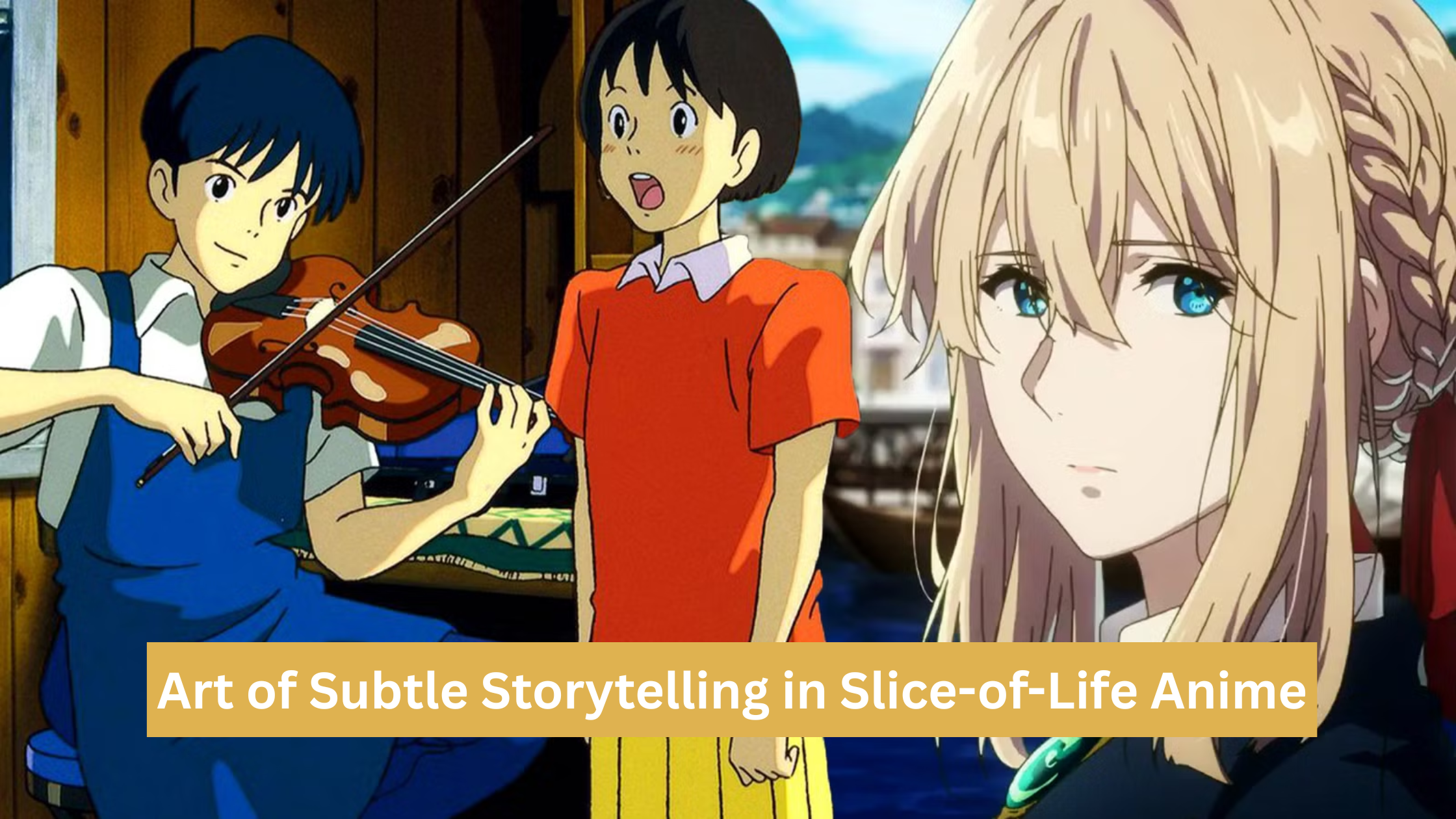
Take Whisper of the Heart nothing extraordinary happens in terms of plot, yet you walk away feeling an overwhelming warmth. That’s because the anime creates an atmosphere of quiet hope and youthful ambition.
Lighting, weather, and timing play huge roles too. A rainy afternoon might represent loneliness, while a golden evening might capture nostalgia. Directors use subtle atmospheric cues to translate emotion without ever saying a word. This creates immersive empathy you don’t just watch the characters, you feel alongside them.
Symbolism Through Everyday Life
In slice-of-life anime, the smallest objects can carry the biggest meanings. A cup of tea, a pair of shoes, or a broken pencil these details often serve as symbols for emotion, memory, or change.
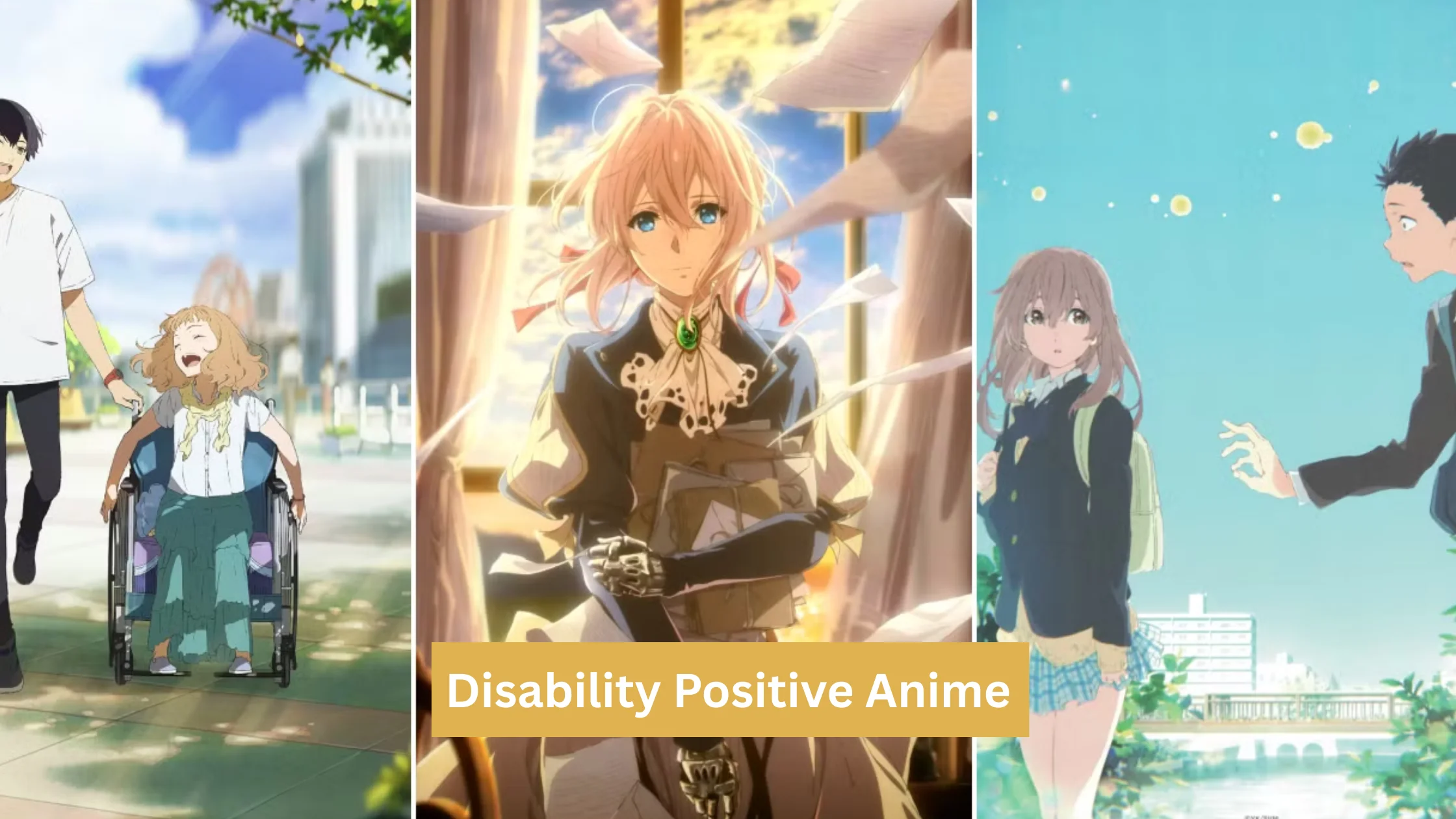
For instance, in A Silent Voice, the recurring image of water mirrors the characters’ emotional isolation and attempts at cleansing guilt. Similarly, Non Non Biyori uses countryside scenes and changing seasons to symbolize the passing of childhood.
This is what makes the genre poetic. It reminds us that life’s meaning isn’t found in grand gestures but in the patterns of daily life. A glance, a meal, or a quiet walk home can say more than an entire monologue. It’s storytelling that asks you to look closely because the magic is hidden in plain sight.
Sound Design as Storytelling
If you close your eyes while watching a slice-of-life anime, you’ll realize something remarkable — the sound alone tells half the story.
Unlike action or fantasy anime, which rely on powerful soundtracks, this genre thrives on ambient realism. The rustle of wind through trees, the creak of a floorboard, the distant sound of cicadas all of these create a world that feels alive and tangible.
Shows like Mushishi and Shouwa Genroku Rakugo Shinjuu use silence and natural soundscapes as emotional punctuation. When a scene goes quiet, it’s not empty it’s loaded with reflection. That stillness invites the viewer to pause and think, to experience a shared moment of introspection.
Even music is used sparingly. Instead of constant background scores, slice-of-life anime often employs soft piano melodies or traditional strings that blend with the environment rather than overpower it. This is storytelling through sound delicate, purposeful, and deeply human.
How Quiet Moments Shape Deep Meaning
Quiet moments are the heartbeat of slice-of-life storytelling. They may seem uneventful, but within them lies the emotional core of the genre.
In March Comes in Like a Lion, long stretches of silence between Rei and the Kawamoto sisters express comfort and belonging better than words ever could. These scenes show us that connection doesn’t always need conversation. Sometimes, just being together is enough.
These pauses give the audience time to process, reflect, and internalize the story. It’s similar to real life we don’t always experience emotions in dramatic bursts. Often, the most meaningful changes happen slowly, quietly, beneath the surface.
This pacing also contrasts beautifully with modern entertainment’s constant rush. Slice-of-life anime teaches patience, reminding us that stillness can be powerful storytelling when handled with care.
Psychological Healing Through Anime
It’s no coincidence that many viewers describe slice-of-life anime as healing. In Japan, the term iyashikei (healing type) refers to anime that soothe the heart and calm the mind.
Series like Aria the Animation, Laid-Back Camp, and Natsume’s Book of Friends offer emotional refuge. They focus on kindness, community, and self-acceptance rather than conflict. Watching them feels like taking a deep breath after a long day.
The psychological healing comes from emotional resonance. These shows validate the ordinary struggles we all face loneliness, self-doubt, growing up, or finding purpose. Through gentle narratives, they remind viewers that it’s okay to feel lost, that peace exists even in imperfection.
In an increasingly fast and chaotic world, this kind of storytelling provides something rare quiet empathy. Slice-of-life anime doesn’t fix problems; it helps us understand them, and in doing so, helps us heal.
Case Studies Across Generations
To truly understand how this storytelling evolved, let’s look at a few key examples across generations.
1980s – Maison Ikkoku
Rumiko Takahashi’s Maison Ikkoku set the standard for emotional realism. Its slow-burn romance and authentic slice-of-life tone captured the subtleties of love, jealousy, and growth without overdramatization.
2000s – Clannad & Honey and Clover
These shows deepened the emotional scope of the genre. Clannad blended realism with supernatural metaphor to explore family and loss, while Honey and Clover reflected the uncertainty of early adulthood with relatable melancholy.
2010s – Barakamon & March Comes in Like a Lion
Both series modernized the genre’s emotional rhythm. They mixed humor and introspection while diving into mental health, self-expression, and connection. The tone became more grounded, yet visually poetic.
2020s – Laid-Back Camp & Do It Yourself!!
Today’s slice-of-life anime focus on community and hobbies. They emphasize creative joy, slow living, and mindfulness echoing a global shift toward simpler, more intentional lifestyles.
Across the decades, the genre hasn’t lost its core identity. It continues to evolve, but its heart remains the same gentle, reflective, and deeply human.
Visual Metaphors in Calm Narratives
Slice-of-life anime often relies on visual metaphors to express inner emotions without words. A drifting cloud might represent confusion, a blooming flower might mirror growth, or a setting sun might capture quiet acceptance.
Directors like Makoto Shinkai and Naoko Yamada use color palettes to evoke mood rather than realism. Soft pastels suggest comfort, while muted tones hint at melancholy. A Silent Voice uses empty frames to show emotional distance, and K-On! uses cozy warm tones to represent friendship and belonging.
This subtle visual language allows the audience to feel emotions intuitively, even when nothing explicit is said. It’s cinematic poetry storytelling through light, color, and movement rather than dialogue.
These metaphors linger. Long after the show ends, you might remember not just the story, but how it felt. That’s the mark of powerful, visual storytelling.
Why Subtle Anime Age Gracefully
Unlike trend-driven genres, slice-of-life anime rarely age out of relevance. Their themes love, growth, loneliness, friendship are universal and timeless.
Because they rely on atmosphere rather than technology or action, their visuals often remain stunning for decades. Watch Whisper of the Heart or Only Yesterday today, and they still feel emotionally fresh. Their beauty comes from sincerity, not spectacle.
The emotional honesty in these stories ensures they resonate across generations. They don’t depend on pop-culture references or flashy gimmicks. Instead, they focus on something every viewer understands being human.
This is why subtle anime endure. They invite rewatching, rediscovery, and reflection. Each viewing reveals new details, new emotions, like re-reading a favorite poem years later.
Slice-of-Life as Life Philosophy
Beyond entertainment, slice-of-life anime often reflects a way of living. It encourages mindfulness, gratitude, and emotional awareness.
Characters in these stories rarely chase grand ambitions or fight cosmic battles. They learn to appreciate now the small joys of cooking, walking, laughing, or simply existing. This worldview aligns closely with the Japanese concept of ichigo ichie the idea that every encounter is unique and should be cherished.
In this sense, the genre becomes more than storytelling; it becomes a quiet philosophy. It reminds us that happiness isn’t a destination, but a moment-to-moment experience. Watching a slice-of-life series can feel like learning to breathe again slowly, intentionally, with gratitude for the ordinary.
Conclusion
The beauty of slice-of-life anime lies not in its action, but in its silence in the way it captures emotions too delicate for words. Through its simple stories, careful sound design, and deep symbolism, it celebrates the art of being present.
Every quiet frame holds meaning. Every pause carries weight. And in those small moments, we find reflections of our own lives the laughter, the loneliness, the quiet courage to keep moving forward.
Slice-of-life anime isn’t just about the characters on screen. It’s about us, the viewers who see our own memories mirrored in their stillness. That’s why this genre, subtle as it may seem, remains one of the most emotionally profound art forms in anime. Because sometimes, the softest stories speak the loudest.
Read More: