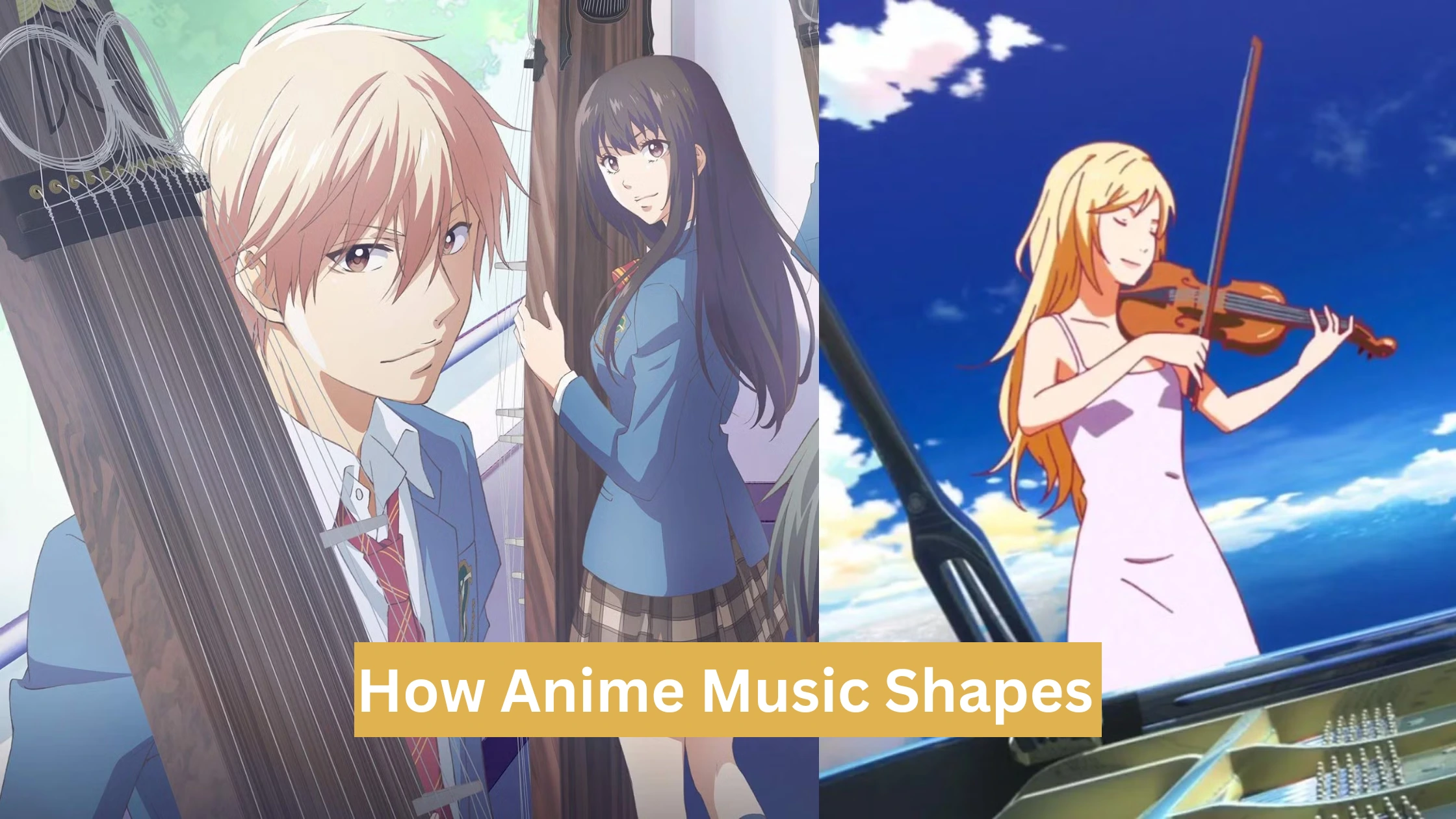
When you think of your favorite anime moments — that first transformation, the tearful goodbye, or the final showdown — what ties them together? The Anime music.
Anime music is more than background sound; it’s the heartbeat that fuels every emotional beat, battle, and revelation. From heart-pounding openings to delicate piano ballads, anime soundtracks transform stories into experiences. Music tells you how to feel before a single line is spoken — sadness through a lingering violin, tension through a pulsing drumbeat, and joy through an uplifting chorus.
Unlike Western TV, anime integrates music at a storytelling level, often composing tracks before scenes are even animated. That’s why so many anime moments feel unforgettable — because the visuals and the score are emotionally synchronized.
This article explores how anime music shapes our viewing experience — from iconic openings that define generations to composers who changed the art form forever.
Music as an Emotional Driver in Anime
Music in anime isn’t background noise — it’s a storytelling tool. Whether it’s a quiet piano during heartbreak or a booming orchestra in a final battle, the score enhances emotion, tension, and atmosphere.
Anime creators often collaborate with composers early in production, designing key scenes around specific musical cues. This synergy between visuals and sound helps viewers feel rather than just watch the story unfold.
- Emotional tracks make characters’ struggles more relatable.
- Action themes heighten suspense and intensity.
- Melancholic melodies build empathy and reflection.
In short, anime music serves as the heartbeat that connects the audience to the story’s emotional rhythm.
Iconic Openings & Endings That Define Eras
For many fans, the first thing that draws them into an anime is its opening (OP) — a 90-second window into the soul of the show. The combination of animation, lyrics, and melody builds anticipation before each episode begins.
Some of the most iconic anime OPs and EDs include:
- “Blue Bird” (Naruto: Shippuden) — A song of hope and freedom that mirrors Naruto’s journey toward acceptance and growth.
- “Guren no Yumiya” (Attack on Titan) — A militaristic anthem that encapsulates humanity’s rage and defiance against extinction.
- “Unravel” (Tokyo Ghoul) — A haunting ballad of identity crisis and emotional pain, perfectly matching Kaneki’s transformation.
- “Again” (Fullmetal Alchemist: Brotherhood) — Energetic yet emotional, setting the tone for adventure and loss.
Endings (EDs) often serve the opposite purpose — bringing viewers down from the intensity of an episode into reflection. Songs like “Secret Base” from Anohana or “Lost in Paradise” from Jujutsu Kaisen close episodes with lingering emotional echoes.
Together, OPs and EDs frame the viewing experience, teaching fans to associate emotions with melody — a powerful form of memory imprinting.
Soundtracks That Elevate Storytelling
Beyond openings and endings, the background soundtrack (OST) often drives narrative emotion silently but powerfully. Great anime uses its OST to communicate what words can’t.
Take Your Name (Kimi no Na wa) — RADWIMPS’ music beautifully mirrors the film’s bittersweet tone of destiny and longing. Each song enhances the transitions between body swaps and emotional revelations.
Other masterpieces include:
- Made in Abyss — Kevin Penkin’s haunting soundscapes deepen the mystery of its world.
- Fullmetal Alchemist: Brotherhood — emotional orchestration that amplifies every sacrifice and triumph.
The best OSTs don’t just accompany scenes — they become part of the storytelling architecture itself.
The Role of J-Pop & Bands in Anime Openings
Anime has been instrumental in launching countless J-pop and rock bands to stardom. Collaborations between studios and musicians have turned anime soundtracks into global cultural exports.
Bands like Asian Kung-Fu Generation, Linked Horizon, and LiSA have become household names because of their anime tie-ins. For instance:
- LiSA’s “Gurenge” (Demon Slayer) became one of Japan’s most streamed songs ever.
- FLOW’s “Go!!!” (Naruto) remains a nostalgic anthem for 2000s anime fans.
These collaborations create a bridge between anime culture and mainstream music, expanding the reach of both industries.
Emotional Impact of Insert Songs
Insert songs — tracks that play during pivotal moments — often hold the most emotional power. They heighten connection and make certain scenes unforgettable.
A few unforgettable examples:
- “Sadness and Sorrow” (Naruto) — a melancholic violin piece that defines loss in anime.
- “Lilium” (Elfen Lied) — choral beauty that contrasts the show’s brutality.
- “Is There Still Anything That Love Can Do?” (Weathering With You) — swelling piano notes that echo heartbreak and hope.
These tracks are precisely timed to evoke empathy, marking turning points in character growth or tragedy.
How Music Builds Hype in Battle Scenes
Few things get fans as hyped as a perfectly scored fight scene. Music turns combat into choreography, emotion into adrenaline.
Composers like Hiroyuki Sawano are masters of this. His use of epic choruses, driving percussion, and Latin chants in series like Attack on Titan, Kill la Kill, and Aldnoah.Zero has become legendary.
Battle music often:
- Builds anticipation before the first strike.
- Mirrors the emotional struggle between characters.
- Peaks at victory or loss, creating catharsis.
In short, great battle music doesn’t just accompany the fight — it defines it.
Famous Anime Composers Who Changed the Game
Behind every iconic anime track is a composer whose sound became synonymous with emotion and energy.
- Yuki Kajiura — known for ethereal, haunting scores (Sword Art Online, Madoka Magica).
- Hiroyuki Sawano — dynamic orchestral and electronic fusion (Attack on Titan, Blue Exorcist).
- Joe Hisaishi — legendary for Studio Ghibli’s timeless melodies (Spirited Away, Princess Mononoke).
- Shiro Sagisu — dark, operatic tones in Neon Genesis Evangelion.
- Kevin Penkin — modern composer bringing cinematic depth (Made in Abyss).
These maestros define how emotion sounds in anime — from nostalgia to despair to triumph.
How Fans Engage with Anime Music
Anime music doesn’t end when the episode does — fans keep it alive through community and creativity.
- Karaoke & concerts: Anime songs dominate karaoke charts across Japan and abroad. Live anime concerts like Anisong World Matsuri attract thousands of fans.
- Fan covers & remixes: YouTube and TikTok creators reinterpret anime themes with instruments, vocals, or EDM remixes.
- Streaming & playlists: Spotify and Apple Music now host curated “Anime Hits” playlists that rival mainstream charts.
Music helps fans relive their favorite moments while building cultural bridges that unite anime lovers worldwide.
Wrap-Up: Why Anime Soundtracks Stick in Our Heads
Great anime music lingers because it’s tied to emotion, memory, and story. A single melody can instantly transport you back to a character’s heartbreak, a triumphant battle, or a moment of peace.
The best anime songs transcend language — they communicate feelings. Whether it’s the power of “Blue Bird,” the intensity of “Guren no Yumiya,” or the tenderness of RADWIMPS’ ballads, anime music reminds us that storytelling is as much about what we hear as what we see.
In the end, anime music doesn’t just enhance the experience — it defines it. Every beat, lyric, and note leaves a mark, turning moments into memories and viewers into lifelong fans.