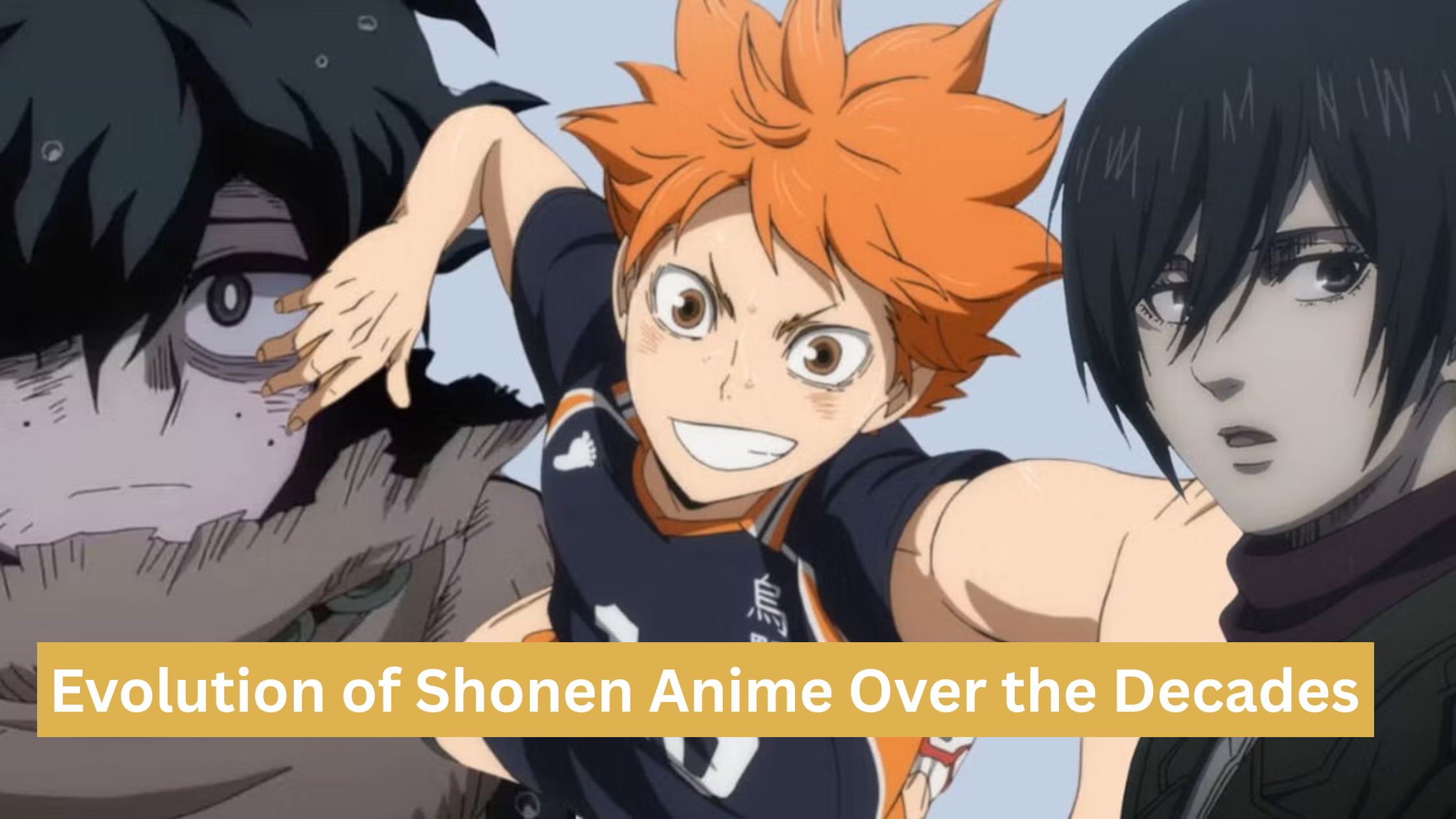
Shonen (少年) literally young boy in Japanese began as a publishing demographic for manga aimed primarily at adolescent boys. Over time, however, shonen evolved into the dominant anime category worldwide.
Why? Because its core ingredients high-stakes adventure, clear goals, friendship, and constant character growth translate across cultures and ages. What started as serialized stories in magazines (like Weekly Shōnen Jump) became long-running anime franchises, multimedia empires, and global cultural touchstones.
From Saturday morning TV to streaming platforms and international merchandising, shonen’s storytelling model proved both flexible and addictive.
It taught viewers to celebrate perseverance, rivalry, and moral clarity while allowing creators to experiment with worldbuilding, serialized arcs, and long-form character development.
Today, shonen isn’t only for teens it’s a multi-generational phenomenon that shapes how modern action stories are told around the world.
80s–90s Classics: Foundations & Archetypes (Dragon Ball Z, Yu Yu Hakusho)
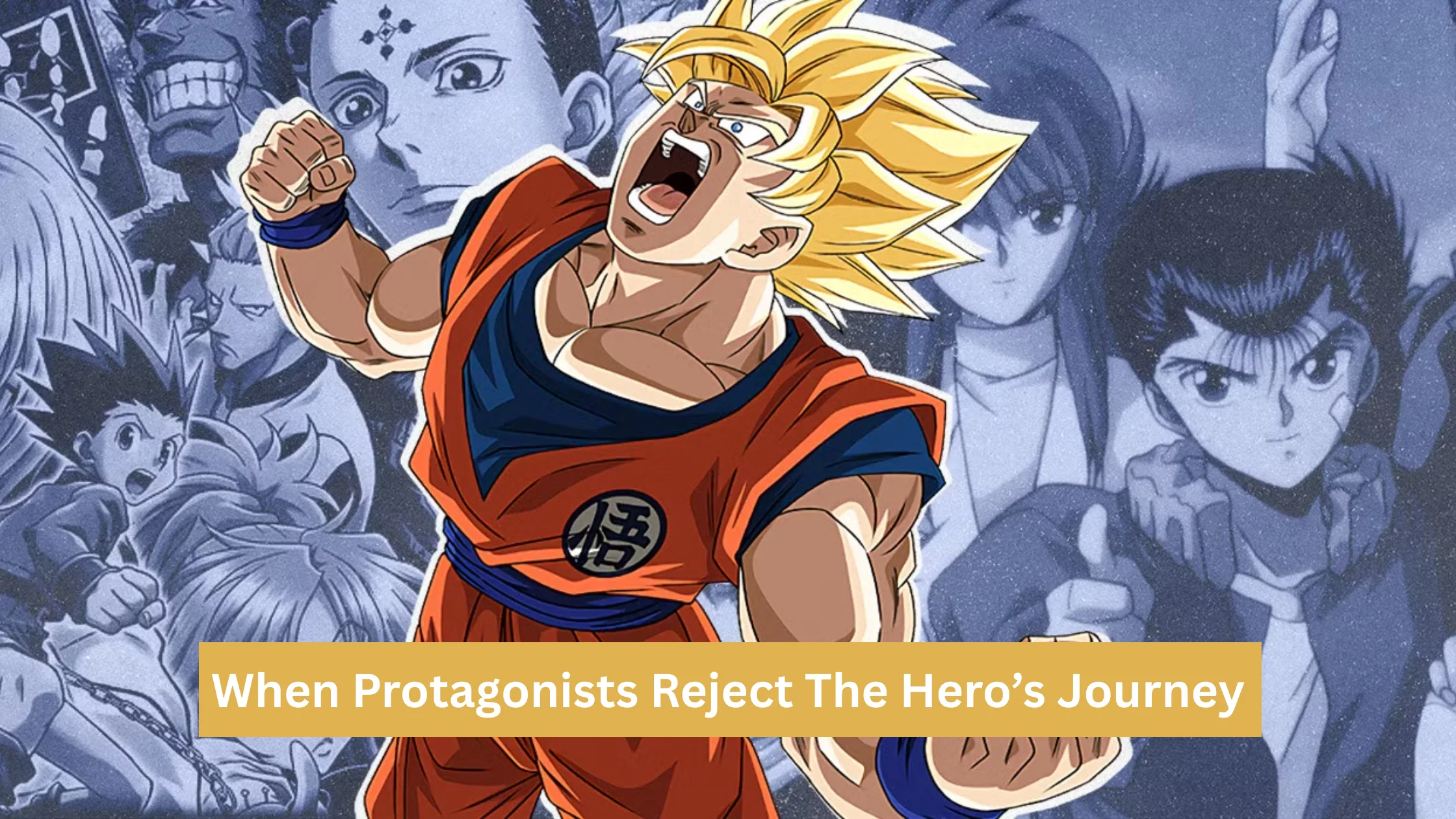
The 1980s and 1990s forged the template for modern shonen. Dragon Ball Z (late 80s–90s) popularized power scaling, tournament arcs, and iconic transformations (e.g., Super Saiyan), while Yu Yu Hakusho blended supernatural detective plots with martial arts tournaments and character-driven morality.
These series introduced several durable hallmarks:
- Escalating threat cycles: villains that force protagonists to level up physically and philosophically.
- Tournament arcs: structured battles that showcase techniques, rivalries, and character growth.
- Clear moral binaries: protagonists who fight for friends, honor, and survival.
The era also cemented the episodic-to-arc transition: episodes that felt self-contained yet fed into larger sagas.
Animation studios and toy companies learned that long-running shonen could generate sustained revenue through collectibles, trading cards, and licensed goods which in turn helped finance longer, more ambitious productions.
2000s Explosion: Globalization & Franchise Power (Naruto, Bleach, One Piece)
The 2000s saw shonen become a global export. Titles like Naruto, Bleach, and One Piece combined serialized manga publication with international TV distribution, localization, and heavy merchandising.
Key trends in this era:
- Serialized storytelling at scale: multi-season anime adapted long-running manga runs, increasing audience investment.
- Emphasis on backstories: villains received sympathetic origins, creating moral complexity while keeping the hero’s journey intact.
- Cross-media strategies: video games, movies, novels, and collectible cards expanded fan engagement.
This decade also introduced the challenges of pacing vs. production: anime often played catch-up to manga, producing filler arcs or original episodes that split opinions.
Still, the 2000s created cultural moments Naruto’s emotional arcs, One Piece’s dramatic island sagas, Bleach’s stylish swordplay that defined a generation of fans worldwide.
Modern Era (My Hero Academia, Jujutsu Kaisen, Demon Slayer)
The 2010s–2020s ushered in a modern shonen aesthetic that blends traditional tropes with fresh sensibilities:
- My Hero Academia reimagined superhero tropes through a Japanese lens, exploring hero culture, class systems, and the cost of heroism.
- Jujutsu Kaisen combined horror, dynamic fight choreography, and existential stakes while delivering crisp animation and dark humor.
- Demon Slayer married cinematic visuals with emotionally charged, tightly paced arcs and proved that shorter, well-produced seasons can achieve massive global success.
Modern shonen often targets a more diverse audience, addressing trauma, political corruption, identity, and moral ambiguity while retaining the genre’s core: growth, rivalry, and the power of relationships.
Global streaming, social media virality, and improved animation budgets have accelerated the pace at which modern shonen hits international consciousness.
Power Creep & Overpowered MC Debates
A recurring criticism in shonen fandoms is power creep: protagonists or antagonists become exponentially stronger across arcs, sometimes undermining suspense or tactical drama. Examples of the debate:
- Pros: escalating power enables larger stakes, impressive visual set pieces, and heroic catharsis.
- Cons: it can trivialize earlier conflicts, force authors into contrived resolutions, or make character growth feel mechanical rather than earned.
Communities argue for balance: keep escalation believable by investing in strategy, consequences, and character cost. When power-ups are earned through narrative logic training, sacrifice, moral choice audiences remain emotionally invested. When they’re deus ex machina, engagement drops.
Art Style Changes Across Decades
Shonen’s visual language evolved alongside technology and audience taste:
- 80s–90s: hand-drawn frames, bold outlines, simpler shading iconic, nostalgic look.
- 2000s: heavier use of digital coloring, more dynamic camera work, and higher episode counts requiring consistent but faster production pipelines.
- 2010s–present: hybrid workflows (hand-drawn line art with digital painting), cinematic lighting, and studio-specific aesthetics (Ufotable’s sheen, MAPPA’s dynamic choreography, Studio Pierrot’s classic action beats).
Animation quality disparities sometimes define reception: a high-budget, well-composed fight can become a viral cultural event (e.g., certain Demon Slayer sequences), showing that aesthetics now heavily influence popularity and longevity.
Changing Role of Female Characters in Shonen
Historically, female characters in shonen often played supportive or romantic roles. Over recent decades, creators expanded their agency and diversity:
- From side characters to lead agents: Mikasa (Attack on Titan) and Ochaco (My Hero Academia) demonstrate combat skill, agency, and narrative importance.
- Complex inner lives: modern shonen increasingly gives female characters their own arcs, motivations, and moral dilemmas rather than only serving as love interests.
- Diversity in roles: female characters now vary widely strategists, anti-heroes, leaders, and emotional cores.
This progression reflects broader cultural changes and audience demand for representation. While shortcomings remain, the trend is toward more nuanced, powerful, and independent female portrayals.
Shonen Tropes: Friendship, Training Arcs, Rivals — Why They Work
Shonen has a reliable toolkit of tropes because they resonate emotionally:
- Friendship: bonds create stakes; losing a friend matters more than losing a fight.
- Training arcs: show incremental growth, making power-ups feel earned.
- Rivals: provide personal stakes, push protagonists to improve, and offer alternative philosophies.
These devices are effective because they mirror real-world growth: mentorship, competition, and support networks. The trick for modern writers is to subvert or deepen these tropes rather than repeat them mechanically.
Influence on New-Gen Writers & International Creators
Shonen’s global dominance shapes new storytellers not just in Japan but worldwide. Contemporary creators borrow its serialized structure, character-first pacing, and thematic tools:
- Western animation increasingly embraces long arcs, serialized storytelling, and emotionally complex characters (e.g., more mature serialized cartoons).
- Manga artists and animators experiment with hybrid genres (shonen + psychological horror, shonen + slice of life) expanding the genre’s narrative palette.
- Indie creators on webcomics and independent animation adopt shonen beats to build ongoing engagement and community support.
Shonen’s emphasis on consistent character growth and high-stakes conflict offers a reliable model for creators who want sustained audience investment.
Wrap-Up: Shonen’s Lasting Appeal
Shonen’s longevity comes down to one simple truth: humans love stories of improvement of watching flawed people try, fail, and grow. Across decades, shonen has adapted: its art evolved, themes matured, and new distribution channels broadened its reach.
From Dragon Ball Z’s foundational energy to Jujutsu Kaisen’s modern polish, the genre remains vital because it balances spectacle with emotional stakes.
For creators and fans alike, shonen offers a promise: no matter the odds, effort and connection matter. As long as stories continue to celebrate growth, rivalry, and friendship shonen will keep shaping anime’s future. If you like the Anime Arenax article please bookmark for more anime related articles.
Read More:
Unraveling Symbolism in Made in Abyss