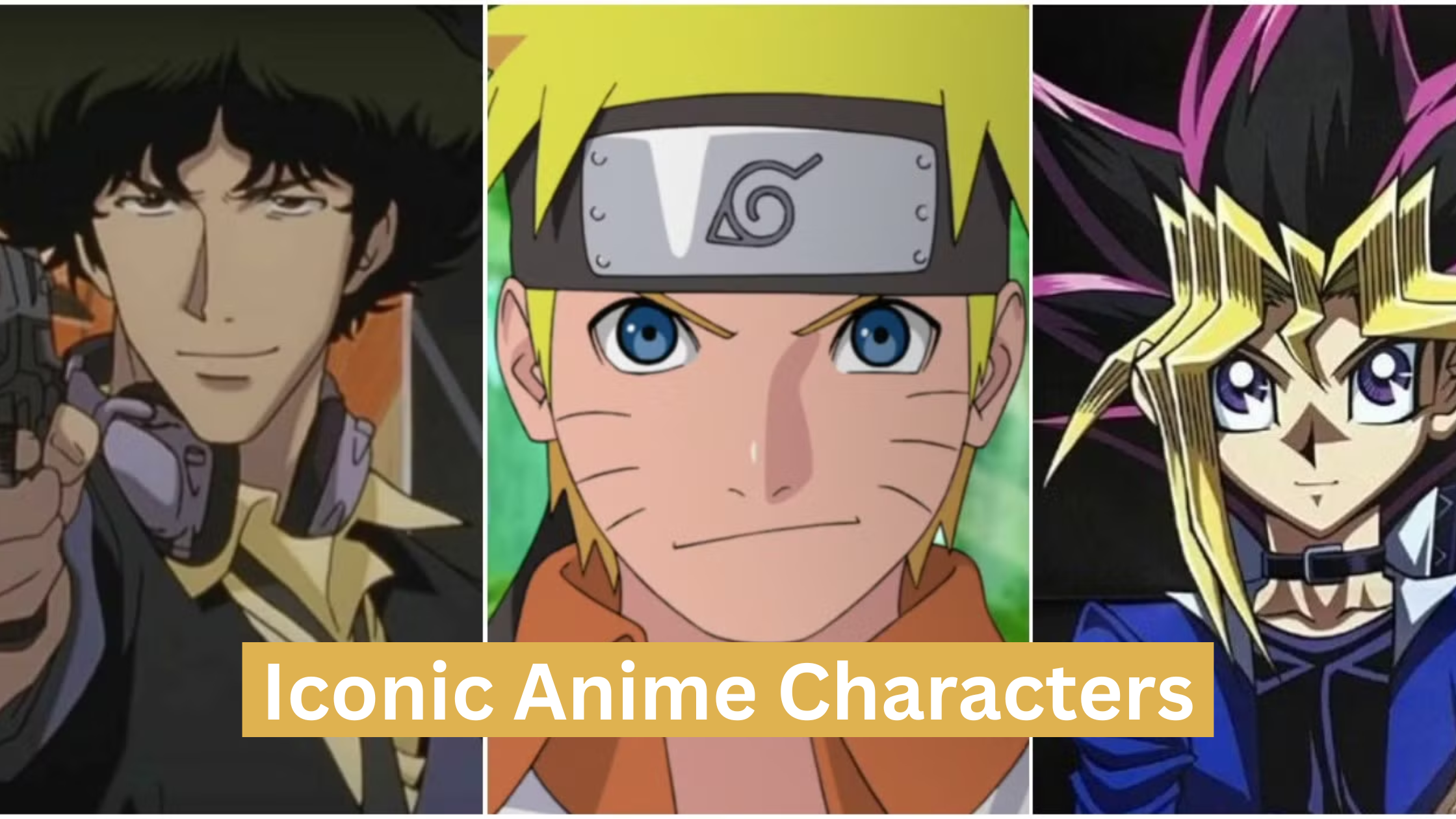
Anime has never been just entertainment it’s an emotion, a culture, and for millions, a way of life. And at the center of this global phenomenon are the iconic anime characters the heroes, anti-heroes, and villains who shaped entire generations.
From Goku’s tireless training sessions to Light Yagami’s descent into madness, these figures are more than fictional icons. They reflect human desires, flaws, and dreams in ways that resonate across languages and cultures.
Over the decades, anime characters have evolved from hand-drawn warriors in the 80s to multi-layered personalities leading billion-dollar franchises today.
In this article, we’ll revisit the most iconic anime characters who defined eras, influenced memes, inspired cosplay movements, and even shaped moral debates online.
Whether you’re a lifelong fan or a new anime enthusiast, you’ll discover why these personalities stand as timeless cornerstones of anime culture.
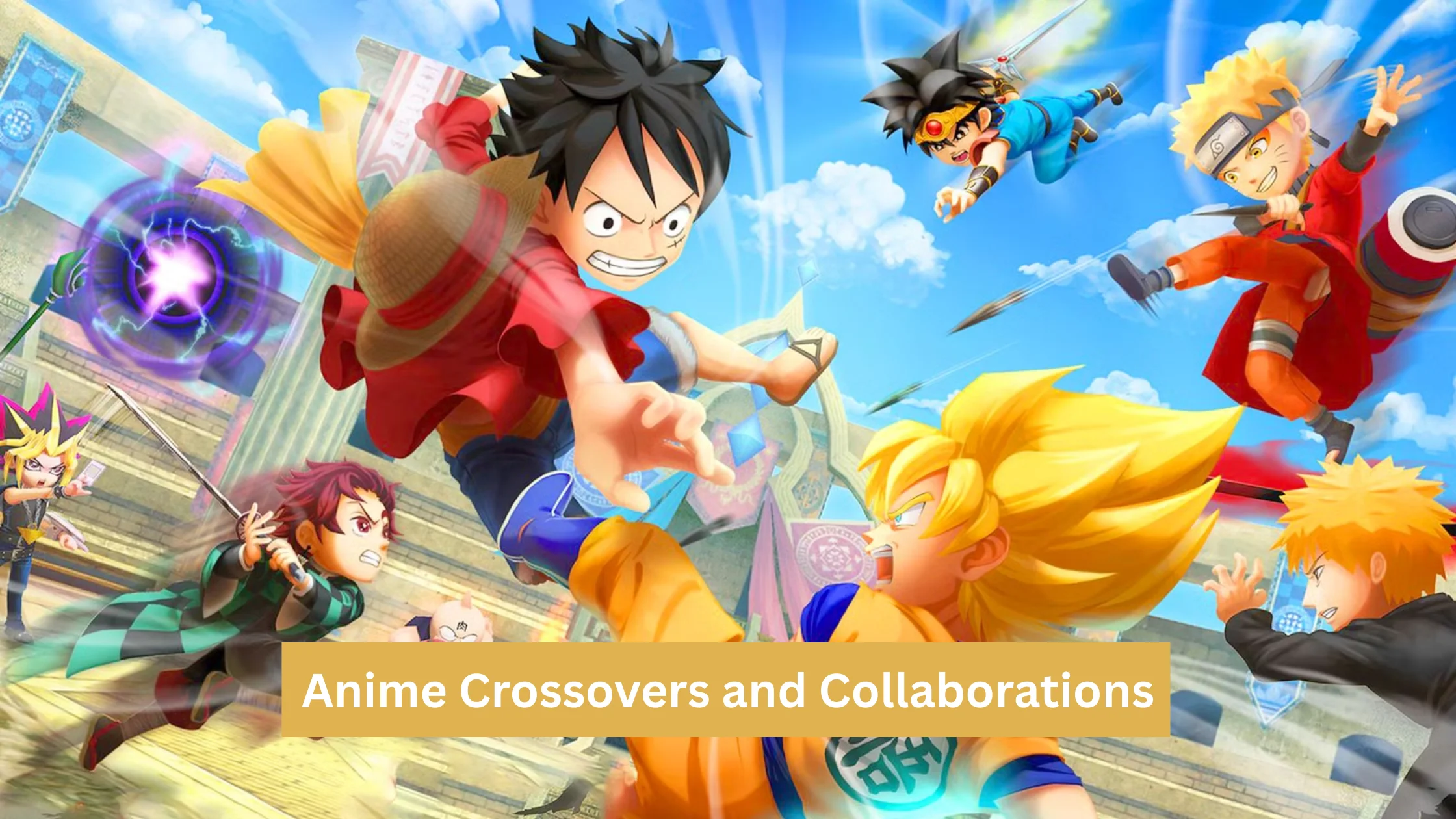
Shonen Heroes: Goku, Naruto, and Luffy
The heart of anime has always been shonen heroes passionate underdogs who never quit, no matter how impossible the odds.
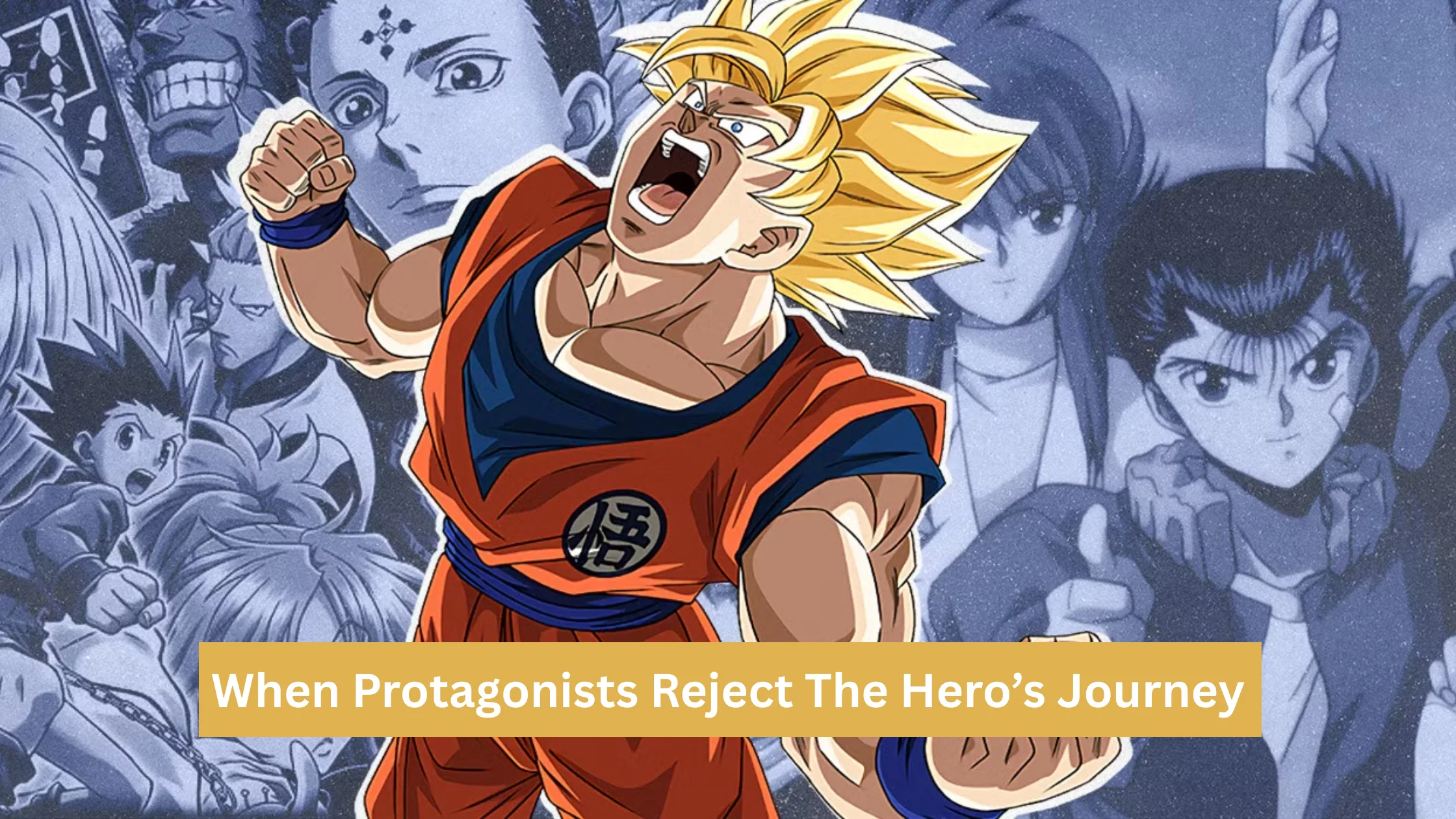
Goku (Dragon Ball Franchise)
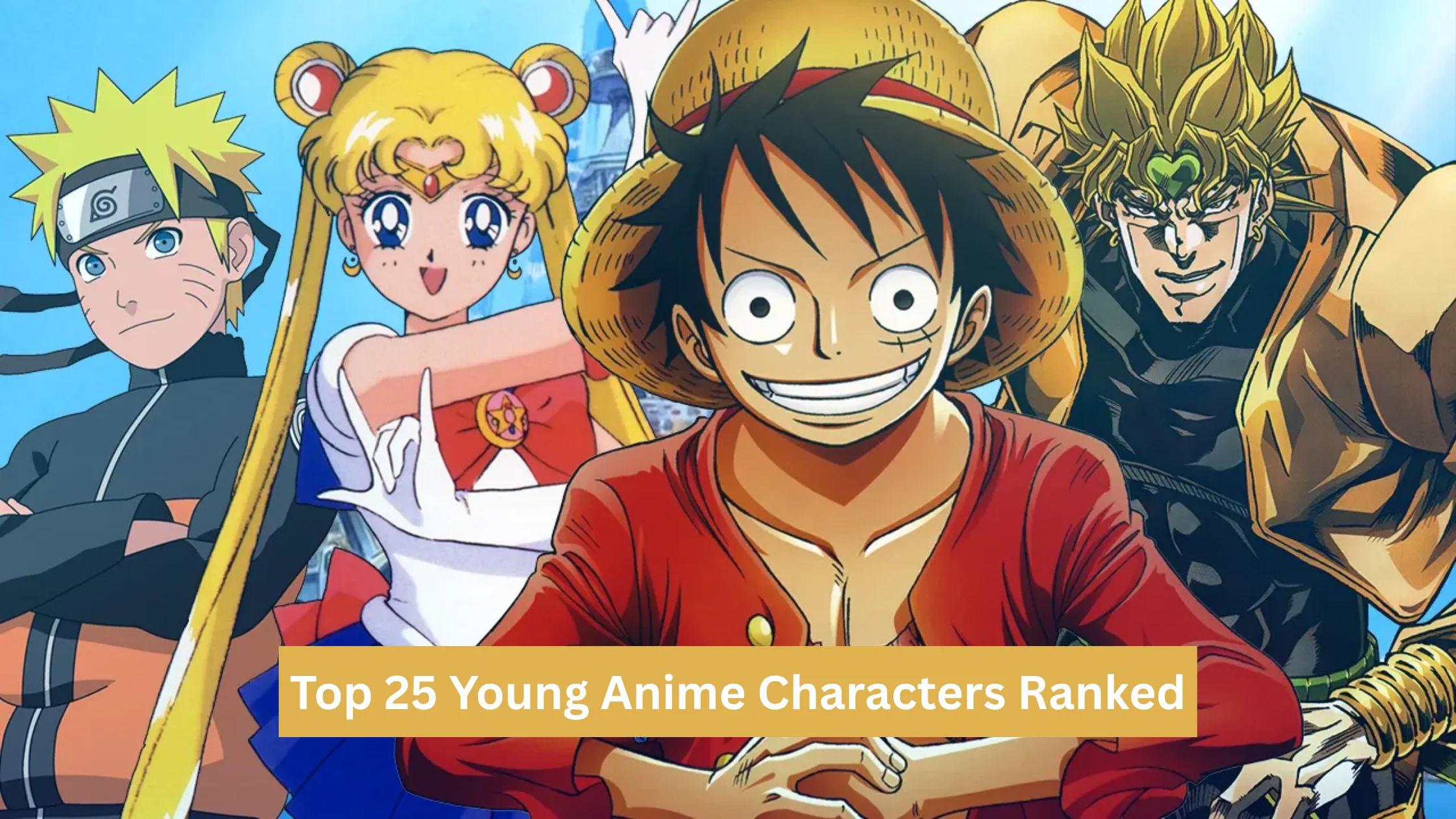
Arguably the most recognized anime character in the world, Goku embodies determination. His relentless drive to become stronger and protect his friends laid the foundation for nearly every shonen hero that followed. Training to surpass one’s limits became not just his motto, but an anime tradition.
Naruto Uzumaki (Naruto)
The ninja who dreamed of becoming Hokage didn’t just inspire characters he inspired fans. Naruto’s story of overcoming loneliness and prejudice resonates universally, making Believe it! a rallying cry for dreamers everywhere.
Monkey D. Luffy (One Piece)
Luffy’s journey across the Grand Line isn’t just about treasure it’s about freedom, loyalty, and chasing one’s dreams. His laughter, fearlessness, and love for his crew turned him into a symbol of optimism in modern anime.
Together, these three heroes embody the core of shonen storytelling: courage, friendship, and the endless pursuit of growth.
Dark Anti-Heroes: Light Yagami & Lelouch Lamperouge
When anime matured, it gave rise to complex characters who challenged morality itself.
Light Yagami (Death Note)
A genius high schooler who discovers a notebook that kills anyone whose name is written in it, Light’s transformation from idealist to self-proclaimed god blurred the line between justice and corruption. His mental duel with detective L cemented Death Note as one of anime’s most intelligent thrillers.
Lelouch Lamperouge (Code Geass)
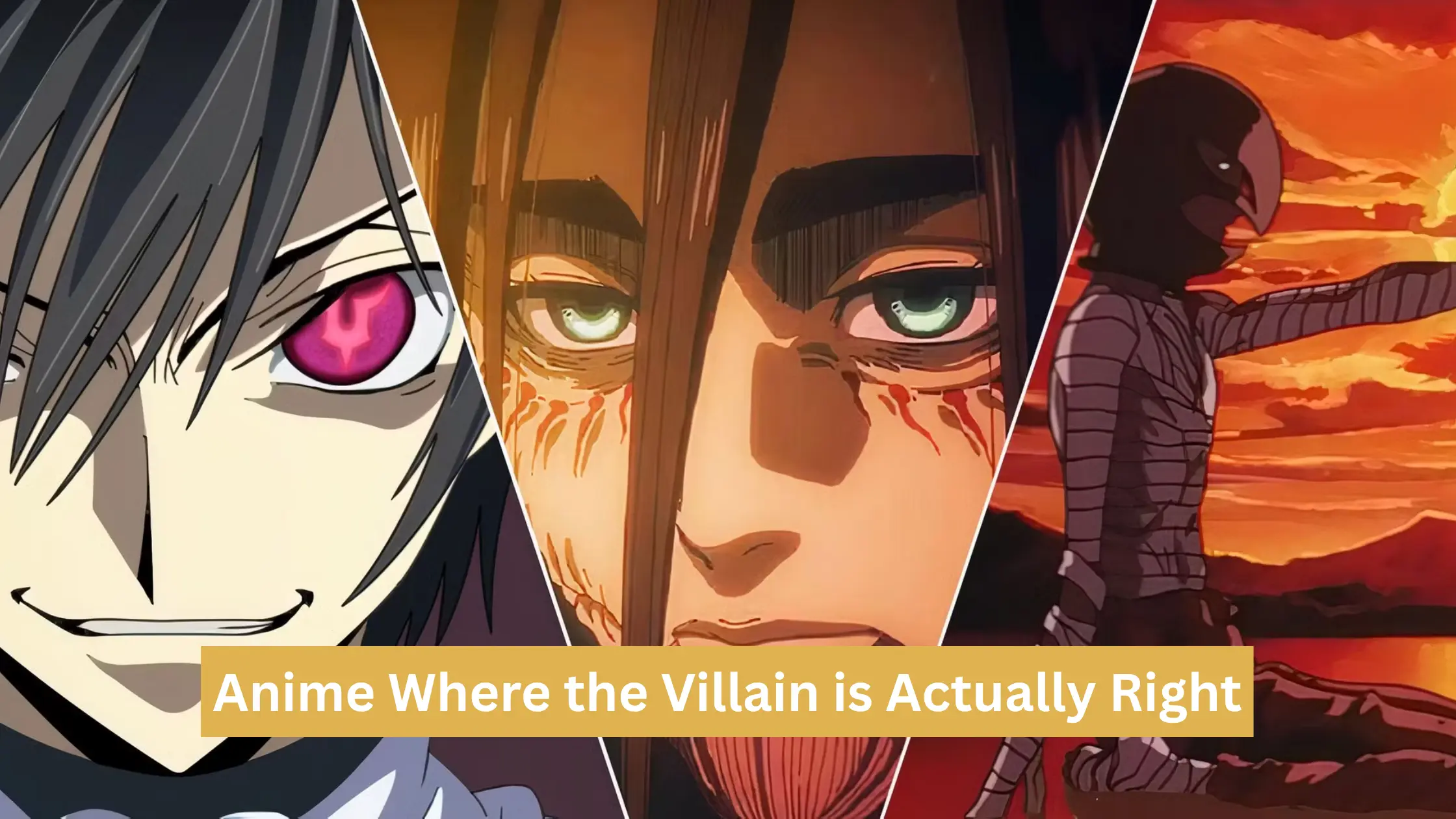
Banished prince turned revolutionary, Lelouch’s fight against an empire exposes the cost of rebellion and the sacrifice of humanity. Unlike Light, Lelouch’s manipulation of power stems from love and guilt, creating a tragic, layered character arc.
These anti-heroes introduced anime to global audiences seeking mature, morally grey narratives. They taught us that heroes can fall and villains can sometimes be right.
Female Icons: Sailor Moon, Mikasa Ackerman, Asuna
Anime’s female characters have long been symbols of grace, power, and resilience.
Sailor Moon (Usagi Tsukino)
She didn’t just fight evil she redefined what a heroine could be. Sailor Moon’s legacy sparked a cultural revolution, empowering girls to embrace both strength and sensitivity. The magical girl genre owes its mainstream success to her sparkle.
Mikasa Ackerman (Attack on Titan)
A soldier of unmatched strength and stoicism, Mikasa’s devotion and emotional depth challenge gender stereotypes. Her quiet bravery shows that love and loyalty can coexist with incredible physical might.
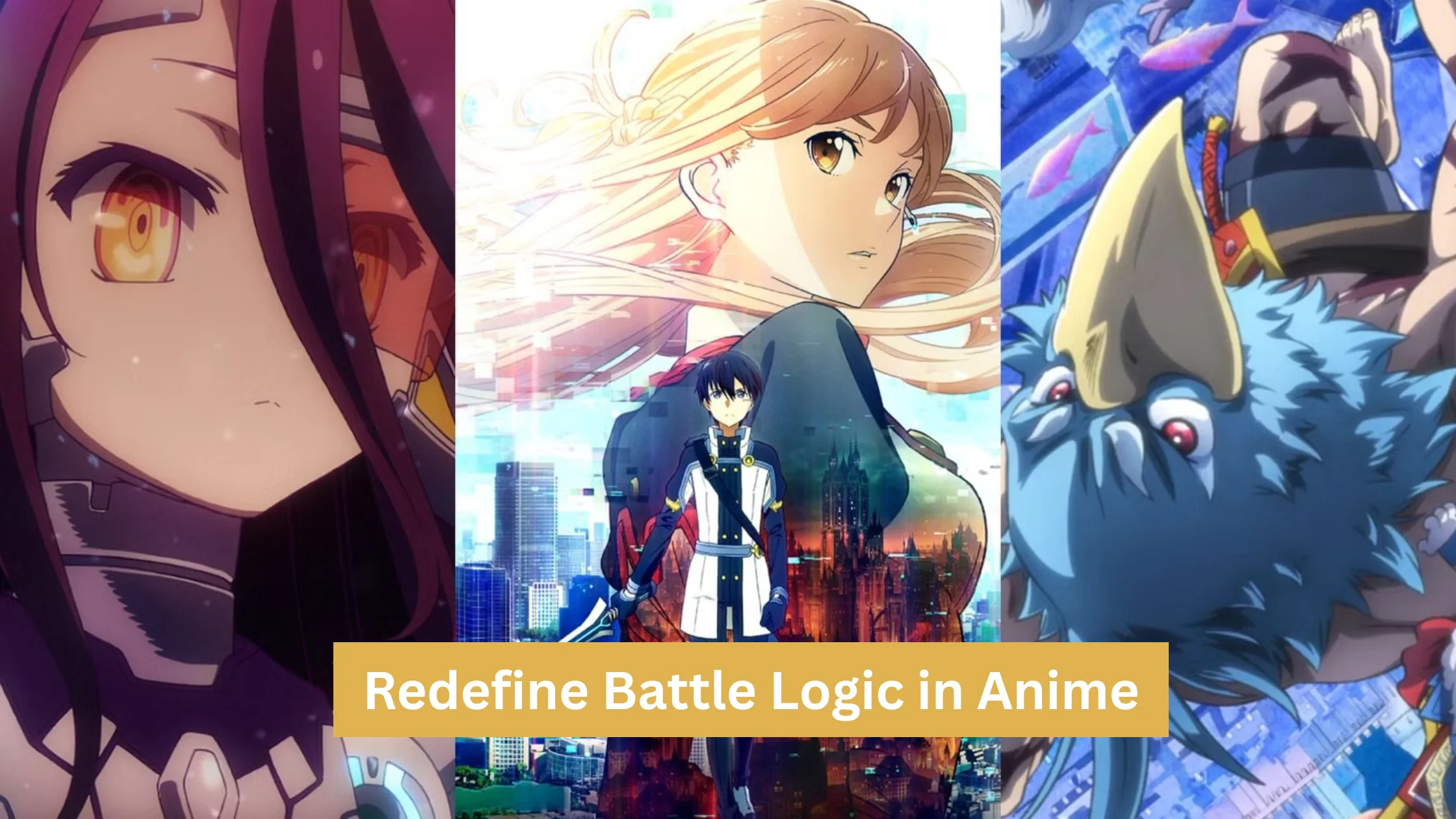
Asuna Yuuki (Sword Art Online)
A digital warrior with compassion and courage, Asuna balances elegance with power. Her character helped redefine female leads in modern action anime independent, emotionally intelligent, and formidable.
These women didn’t just represent strength they reshaped anime’s storytelling. They proved that female characters could lead, protect, and inspire just as fiercely as their male counterparts.
Villains Who Left Their Mark: Frieza, Madara, Aizen
Great heroes need unforgettable villains and anime has produced some of the most cunning and fearsome antagonists ever written.
- Frieza (Dragon Ball Z)
Elegant yet terrifying, Frieza set the standard for anime villains. His cold cruelty and theatrical arrogance gave the world one of the most iconic anime showdowns of all time Goku vs Frieza. - Madara Uchiha (Naruto)
A master strategist obsessed with peace through control, Madara is both feared and respected. His ideology and immense power turned him into one of the most complex villains in shonen history. - Sōsuke Aizen (Bleach)
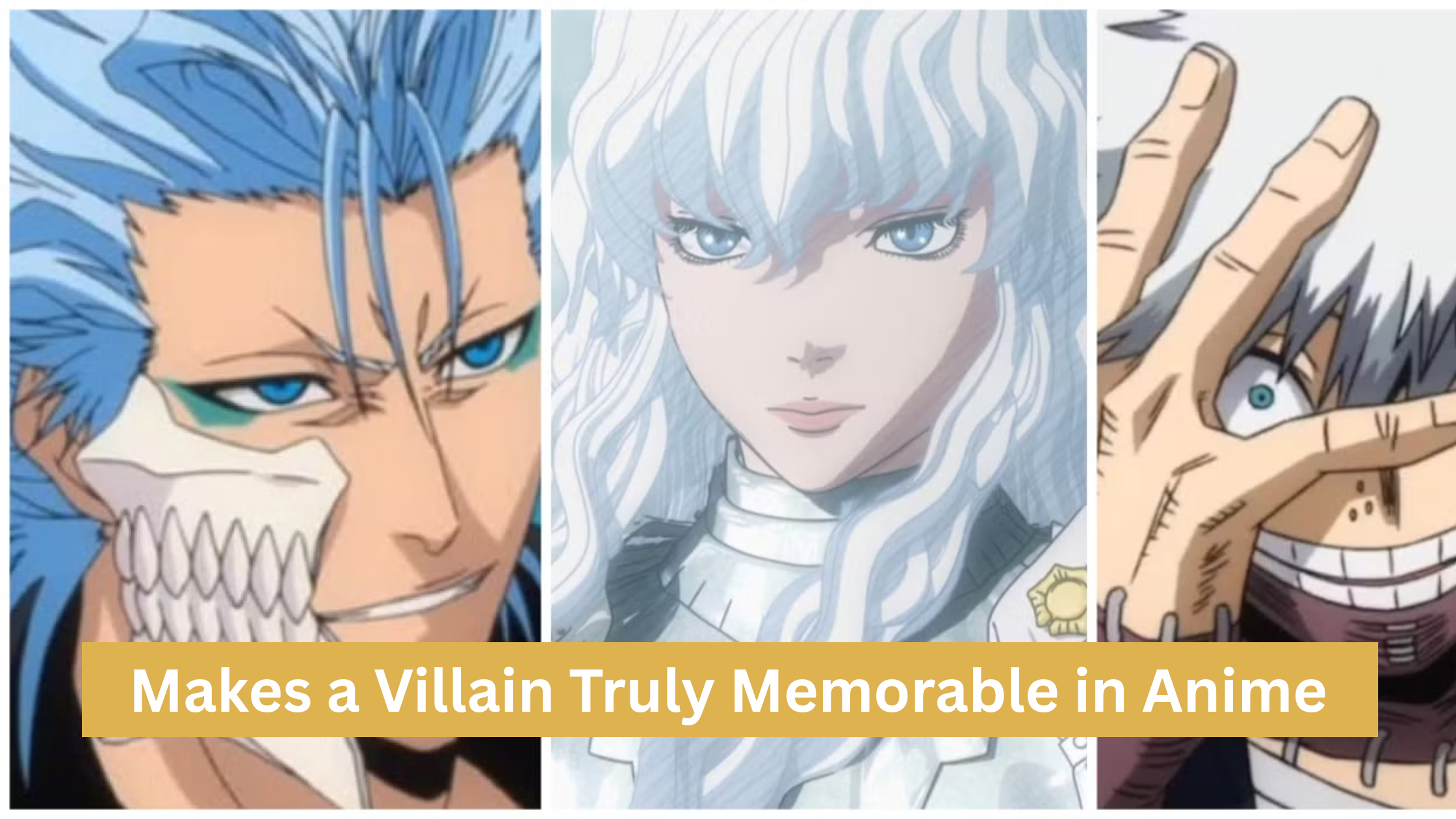
Calm, calculating, and always ten steps ahead, Aizen manipulated his world and viewers into believing his superiority. His quiet menace made him a legend among anime masterminds.
These villains remind us that evil isn’t always chaos; sometimes, it’s conviction taken too far.
Comedic Relief Legends: Gintoki & Konata
Laughter is an essential part of anime’s charm and few do it better than Gintoki Sakata and Konata Izumi.
- Gintoki (Gintama) breaks the fourth wall, mocks anime clichés, and delivers deep emotional messages hidden beneath absurd humor. His blend of sarcasm and sincerity connects with both old-school and new fans.
- Konata (Lucky Star) captures the modern anime fan’s spirit lazy, funny, meta, and endlessly relatable. Her love for gaming and anime mirrors the fandom itself.
These characters prove that even humor can be meaningful, shaping fan culture through memes, parody, and endless quotable moments.
How These Characters Influence Memes & Cosplay
Anime culture thrives in the digital age and these characters are its beating heart.
From Naruto runs at conventions to Attack on Titan cosplay dominating global stages, these icons shape online trends daily. Goku’s Ultra Instinct clips, Luffy’s smile, and Sailor Moon transformations flood TikTok and Instagram reels, generating billions of views.
Cosplay communities, fan art, and viral memes ensure these characters remain timeless, evolving with each new generation of creators and fans.
Best Boy / Best Girl Culture in Anime Fandoms
The Best Boy and Best Girl culture is more than fandom slang it’s a celebration of emotional connection.
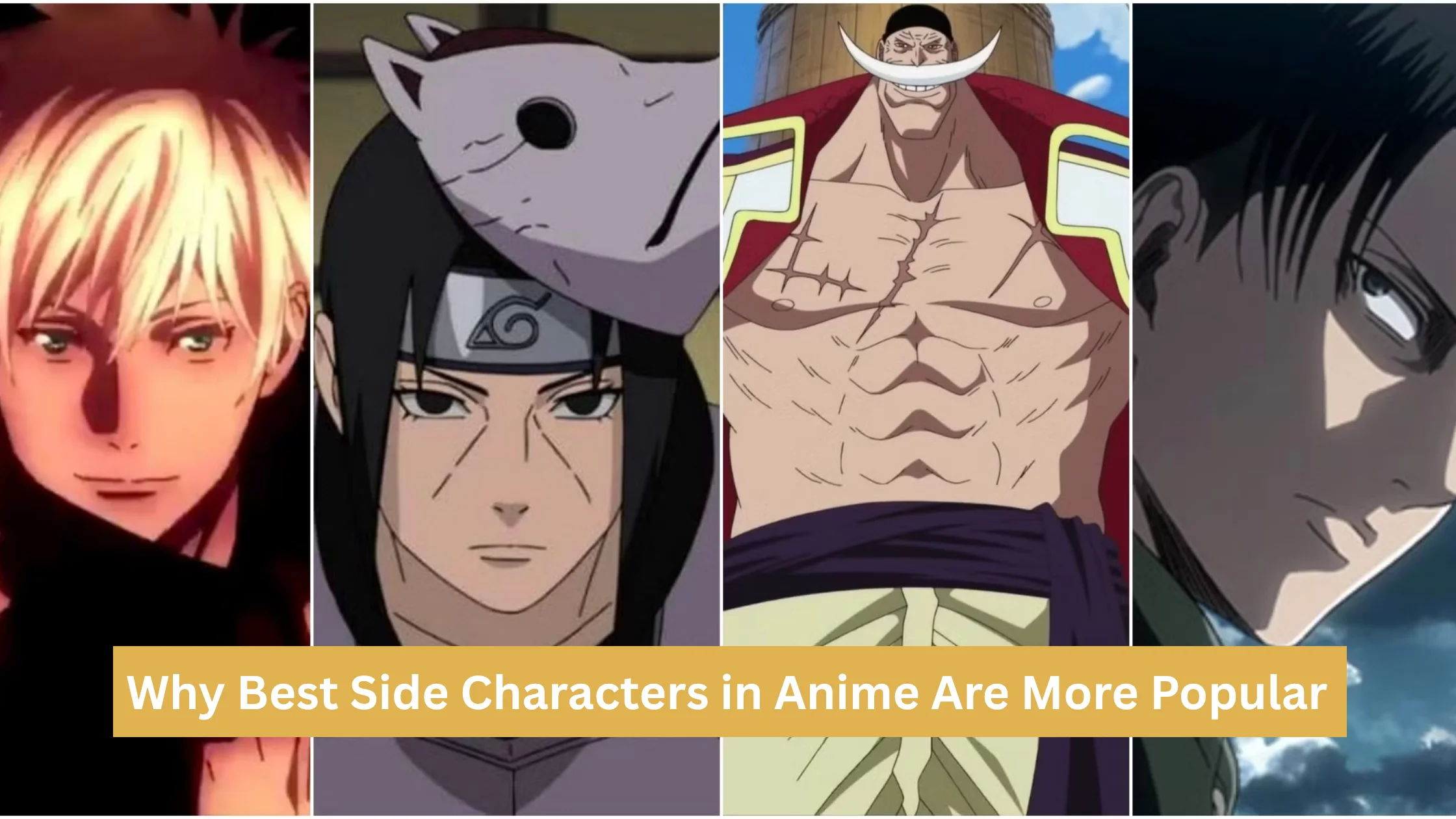
Characters like Levi Ackerman, Hinata Hyuga, and Rengoku Kyojuro earn these titles because fans resonate with their warmth, courage, or selflessness. Online polls, Reddit threads, and fan awards show how anime fans value heart over power.
These affectionate titles reveal the emotional depth anime builds between viewer and character one of the genre’s most beautiful traits.
Why These Characters Inspire Fans Even Today
Why do these characters remain timeless? Because they’re reflections of us. Goku’s perseverance motivates athletes. Naruto’s loneliness comforts the misunderstood. Light’s ambition warns of moral corruption. Sailor Moon’s kindness empowers young women worldwide.
Every generation reinterprets these figures, finding new meaning in their journeys. They’re more than nostalgic they’re eternal lessons wrapped in animation.
Conclusion
Anime isn’t just storytelling it’s a mirror reflecting our growth, fears, and hopes. The most iconic anime characters who defined generations have become more than animated figures; they are cultural beacons that continue to inspire millions worldwide.
From Goku’s unbreakable spirit and Naruto’s journey from outcast to hero to Lelouch’s tragic genius and Sailor Moon’s radiant compassion, each of these characters represents a unique fragment of the human experience. Their stories teach perseverance, empathy, courage, and the beauty of imperfection.
Over time, these icons have transcended their fictional worlds influencing fashion, music, internet culture, and even personal philosophies. They’ve given rise to global fandoms, conventions, and entire online communities that celebrate not just anime, but the values these characters embody.
Even decades after their creation, the emotional weight of these characters hasn’t faded. New generations continue to rediscover them, finding the same comfort, motivation, and joy that their predecessors did.
In the end, that’s what makes anime timeless. The faces may change, the art styles may evolve, but the heart the unyielding belief in dreams, friendship, and self-discovery remains eternal. These characters don’t just define anime; they define us.
Read More:
Samurai Culture Through Anime Legends